
Why You Need to Know Your Local Industrial Waste Regulations
By KenBay on Mar 24, 2023 3:43:51 AM
If a business or manufacturing facility is going to work at peak functionality and still abide by all environmental laws endemic to its location, it is necessary to first be fully aware of local industrial waste rules regulations. In the United States, most states take their cues and guidance from the Environmental Protection Agency (EPA) which sets the standard for the country at large. Rules are also applied at the state and municipal levels to better regulate industrial and hazardous waste.
The EPA regulates household, industrial, and manufacturing solid and hazardous wastes under the Resource Conservation and Recovery Act (RCRA). RCRA’s goals are to protect communities and citizens from the hazards of waste disposal; conserve energy and natural resources by recycling and recovery; reduce or eliminate waste; and clean up waste that may have spilled, leaked or been improperly disposed of.
Industrial Waste Bound for Landfills

The EPA has developed minimum technical criteria that industrial landfills must meet. Solid waste disposal, including nonhazardous industrial waste, is overseen by the states. Some states may impose requirements that are more stringent than the federal requirements.
One of the most stringent measures of an environmentally safe landfill is frequent monitoring for groundwater contamination. Every municipality must have the ability to monitor the underlying groundwater for contamination during the site’s active life. The exceptions to this requirement are small landfills that receive less than 20 tons of solid waste per day, and facilities that can demonstrate that there is no potential for the migration of hazardous constituents from the unit into the groundwater.
What is a Hazardous Waste?
Simply defined, a hazardous waste is a waste with properties that make it dangerous or capable of having a harmful effect on human health or the environment. Hazardous waste is generated from many sources, ranging from industrial manufacturing process wastes to batteries and may come in many forms, including liquids, solids, gasses, and sludges.
The EPA has developed a regulatory definition and process that identifies specific substances known to be hazardous and provides objective criteria for including other materials in the regulated hazardous waste universe.
In order for a material to be classified as a hazardous waste, it must first be a solid waste. Therefore, the first step in the hazardous waste identification process is determining if a material is a solid waste.
The second step in this process examines whether or not the waste is specifically excluded from regulation as a solid or hazardous waste.
Hazardous Waste Violation and Penalties
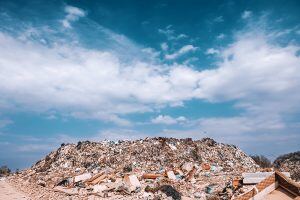
There are numerous laws at the federal level protecting damage done to the environment by individuals and business enterprises. A person who treats, stores, or disposes of a hazardous waste without a permit or being in knowing violation of a material permit condition can receive imprisonment from anywhere between two to five years as well as incur a financial penalty. Incarceration terms increase for subsequent violations.
State Ordinances in Conjunction with the EPA
The EPA has established basic hazardous waste management standards for businesses who produce hazardous waste and categorized these businesses based on the volume of hazardous waste produced in a calendar month. On both the state and at the federal level, there are three generator categories: very small, small and large quantity generators.
Some states are authorized to establish generator categories that are different from those that the federal EPA set up. To help current and potential hazardous waste generators follow the regulations in their state, the EPA lists the states that have regulations that differ from the federal regulations and which states have the same generator categories. The EPA also lists links to rules or guidance for those states that have different regulations regarding industrial waste disposal. These states are: California, Kansas, Maine, New Hampshire, Rhode Island and Washington as well as the District of Columbia.
Aerosol universal waste rule
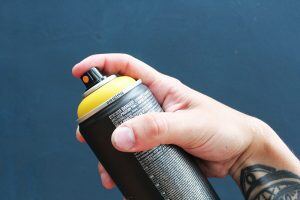
Aerosol cans are widely used for dispensing a broad range of products including paints, solvents, pesticides, food and personal care products, and many others. The Household & Commercial Products Association estimates that 3.75 billion aerosol cans were filled on the national level in the United States within the last ten years for use by commercial and industrial facilities as well as by households. Aerosol cans can account for nearly 40 percent of retail items that are managed as hazardous waste at large retail facilities.
The Benefits of the KenBay HazPac
The KenBay Industrial Hazpac Hazardous Industrial Waste Compactor not only keeps your facilities’ waste confined to a specific area, it also has an incredibly small footprint. This means that you can place it right at the site where hazardous waste is created, cutting down not only on the time hazardous waste disposal takes, but also the distance it has to travel.
The risks of contamination will decrease significantly. The HazPac can also contain six times as much hazardous waste as a conventional waste can, which will greatly decrease the packaging and removal costs.
Don’t take hazardous waste disposal lightly. It is a serious matter that requires a legal and thoughtful plan. There are many resources to help you make sure your hazardous waste disposal is as efficient and safe as possible, including waste management experts like KenBay. Give us a call to see how we can help you with your hazardous waste disposal plan.
- Blog (11)
- Commercial Trash Compactor (11)
- waste reduction (7)
- Hazardous Waste (6)
- plastic recycling (5)
- sustainability (5)
- waste cost reduction (5)
- waste efficiency (5)
- Industrial Compactors (4)
- Industrial Waste Bags (4)
- industrial trash compactor (4)
- industrial waste (4)
- waste volume reduction (4)
- Industrial Waste Removal (3)
- Industrial trash compactors (3)
- cardboard baler (3)
- cardboard recycling (3)
- commercial compactor (3)
- hazardous waste safety (3)
- industrial waste compactor (3)
- industrial waste disposal (3)
- industrial waste safety (3)
- landfill diversion (3)
- recycling cost reduction (3)
- waste handling efficiency (3)
- waste transport efficiency (3)
- Recycling Regulations (2)
- RotoPac Waste Compactors (2)
- Smart Waste Solutions (2)
- Stainless Steel Compactors (2)
- Sustentability (2)
- case study (2)
- compactor benefits (2)
- hazardous waste disposal (2)
- health and safety (2)
- landfill gas recovery (2)
- lean manufacturing (2)
- paint disposal safety (2)
- recycling equipment (2)
- trim disposal solutions (2)
- waste compactors (2)
- waste management savings (2)
- zero landfill (2)
- zero waste strategy (2)
- Balers (1)
- Environmental Compliance (1)
- Equipment Comparison (1)
- Food Industry (1)
- Guide for Industrial Waste Management (1)
- Hazardous Waste Management (1)
- Increased property value (1)
- Industrial Compactor Safety (1)
- KenBay compactor (1)
- KenBay's RotoPac compactor (1)
- Pharmaceutical Waste (1)
- RotoPac Upgrades (1)
- Safety (1)
- Trash Compactor ROI (1)
- Waste Disposal (1)
- Waste Management Innovation (1)
- Waste Management Laws (1)
- Waste Management Planning (1)
- Waste Management Solutions (1)
- Waste Regulations (1)
- air quality safety (1)
- baking waste reduction (1)
- baler benefits (1)
- baler efficiency (1)
- baler safety (1)
- baler vs compactor (1)
- biofuels (1)
- biomass energy (1)
- bulk bag disposal (1)
- bulk bag handling (1)
- business efficiency (1)
- cardboard compactor safety (1)
- chemical disposal (1)
- chemical waste compliance (1)
- cling wrap (1)
- commercial real estate property (1)
- community service (1)
- compact equipment benefits (1)
- compaction features (1)
- compaction rate (1)
- compactor (1)
- compactor bags (1)
- compactor maintenance (1)
- compactor rental (1)
- compactor vs baler (1)
- cost savings (1)
- crusher benefits (1)
- depackaging (1)
- depackaging equipment (1)
- dewatering (1)
- dewatering equipment (1)
- durable trash compactor (1)
- dust control (1)
- dust system alternatives (1)
- edge trim waste (1)
- environmental impact (1)
- environmental waste handling (1)
- equipment features (1)
- facility waste awareness (1)
- food industry waste (1)
- food manufacturing waste (1)
- food waste handling (1)
- food waste recycling (1)
- freight (1)
- garbage handling (1)
- green waste solutions (1)
- hazardous substance handling (1)
- hazardous waste tips (1)
- health and safety compliance (1)
- history of the trash compactor (1)
- how to reduce waste (1)
- industrial compactor upgrade (1)
- industrial efficiency (1)
- industrial food waste (1)
- industrial non-hazardous waste (1)
- industrial recycling logistics (1)
- industrial waste compactors (1)
- industrial waste cost (1)
- industrial waste solutions (1)
- intellectual property (1)
- label matrix trim (1)
- label presses (1)
- landfill (1)
- landfill free strategy (1)
- landfill gas (1)
- lean (1)
- manufacturing (1)
- manufacturing IP (1)
- manufacturing efficiency (1)
- manufacturing safety (1)
- manufacturing waste reduction (1)
- manufacturing workflow (1)
- material flow (1)
- multi-industry waste solutions (1)
- plastic compactor (1)
- recyclable materials (1)
- recyclable transport (1)
- recycling balers (1)
- recycling equipment safety (1)
- recycling strategy (1)
- reduce manual waste (1)
- reduce waste expenses (1)
- regulatory compliance (1)
- rental waste solutions (1)
- safe disposal practices (1)
- safe paint handling (1)
- safe waste handling (1)
- small compactor (1)
- small footprint compactor (1)
- super sacks (1)
- sustainable waste practices (1)
- trash disposal savings (1)
- trash removal costs (1)
- waste audit (1)
- waste can efficiency (1)
- waste compaction efficiency (1)
- waste cost analysis (1)
- waste crusher (1)
- waste equipment costs (1)
- waste equipment investment (1)
- waste moisture reduction (1)
- waste product value (1)
- waste saving strategies (1)
- waste-to-energy (1)
- workplace hazards (1)
- workplace safty (1)
- zero waste resources (1)
- June 2024 (1)
- May 2024 (1)
- April 2024 (1)
- March 2024 (1)
- February 2024 (1)
- January 2024 (1)
- December 2023 (1)
- November 2023 (1)
- October 2023 (1)
- September 2023 (1)
- August 2023 (1)
- June 2023 (1)
- May 2023 (1)
- March 2023 (1)
- February 2023 (1)
- January 2023 (1)
- December 2022 (1)
- November 2022 (1)
- October 2022 (1)
- September 2022 (1)
- August 2022 (1)
- July 2022 (1)
- June 2022 (1)
- May 2022 (1)
- April 2022 (2)
- March 2022 (1)
- February 2022 (1)
- January 2022 (1)
- December 2021 (1)
- November 2021 (1)
- October 2021 (1)
- September 2021 (1)
- August 2021 (1)
- July 2021 (1)
- June 2021 (1)
- March 2021 (1)
- July 2020 (1)
- June 2020 (1)
- May 2020 (1)
- June 2019 (1)
- May 2019 (1)
- April 2019 (1)
- March 2019 (2)
- February 2019 (1)
- January 2019 (1)
- December 2018 (1)
- July 2018 (1)
- May 2018 (1)
- January 2018 (1)
- October 2017 (1)
- September 2017 (1)
- June 2017 (6)
- May 2017 (4)
- April 2017 (4)
- March 2017 (4)
- February 2017 (4)
- January 2017 (4)
- December 2016 (4)
- November 2016 (4)
- October 2016 (4)
- September 2016 (3)
- August 2016 (5)
- July 2016 (3)
- June 2016 (5)
- May 2016 (4)
- April 2016 (4)
- March 2016 (6)
- February 2016 (1)
Subscribe by email
You May Also Like
These Related Stories

The Bright Future of Waste Management

Are You Aware of the Latest Industrial Waste State Regulations?