
The Evolution of Recycling and Waste Management Laws: A Comprehensive Overview
By KenBay on Apr 12, 2024 1:32:11 PM
The Evolution of Recycling and Waste Management Laws: A Comprehensive Overview
Recycling and waste management are critical components of environmental stewardship. As our understanding of sustainability grows, so do the laws and regulations governing these practices. In recent years, several states in the United States have implemented significant changes to their recycling, waste, and organics management laws. This blog post explores these developments, highlighting key points and examining how companies like KenBay, with their efficient commercial trash compactors, can contribute to a greener future.
State-Level Changes
1. California, Connecticut and Rhode Island

As of January 1, 2024, the states of California, Connecticut and Rhode Island have enacted new laws aimed at improving recycling and waste management practices:
- Recycling Mandates: Stricter recycling requirements now apply to businesses and households. Increased emphasis on separating recyclables ensures more efficient processing.
- Bottle Bills and Reverse Vending Machines: The bottle bill system has evolved since its first inception. Consumers pay a deposit on beverage containers, which they can reclaim by returning them to reverse vending machines. This incentivizes recycling and reduces litter.
2. Organics Management in Washington and California
Organic waste, including food scraps and yard trimmings, constitutes a significant portion of landfill content. Washington and California have taken steps to address this issue:
- Composting Programs: These states encourage composting by providing incentives to households and businesses. Composting reduces landfill space and produces nutrient-rich soil amendments.
- Anaerobic Digestion: Facilities now convert organic waste into biogas through anaerobic digestion. This process generates renewable energy while diverting waste from landfills.
3. Minimum Recycled Material Requirements in New Jersey
New Jersey now mandates minimum recycled content in certain products. Manufacturers must incorporate recycled materials into their packaging, promoting a circular economy.
4. Reuse and Refill Policies in Illinois
Illinois encourages reusable packaging and refillable containers. By reducing single-use plastics, the state aims to minimize waste generation.
5. Plastic Packaging and Bag Bans
Several states have banned or restricted single-use plastic bags and packaging. These measures reduce plastic pollution and encourage alternatives like reusable bags. These measures not only contribute to waste reduction but also foster a culture of sustainability and responsible consumption.
By imposing stricter regulations and providing tangible incentives, these states are actively working towards minimizing environmental degradation caused by improper waste disposal.
KenBay’s Role in Sustainability
KenBay, a leader in waste management solutions, contributes significantly to environmental conservation:
- Carbon Neutrality: KenBay prioritizes reduced carbon emissions. Its RotoPac waste compactors minimize the need for frequent haul-offs, leading to fewer emissions from transportation.
- Space-Efficient Solutions: KenBay’s RotoPac line of compactors that can be customized to a customer’s specifications* compress waste, allowing businesses to utilize less landfill space. This directly impacts the environment by extending landfill lifespans.
- Fuel Consumption Reduction: Efficient waste management reduces the need for fuel-intensive transportation. KenBay’s systems optimize waste collection routes, saving energy and resources.
Conclusion
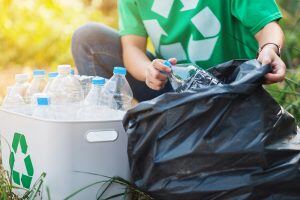
The landscape of recycling, waste, and organics management is evolving rapidly. State-level changes reflect a commitment to sustainability and environmental well-being. Companies like KenBay play a crucial role in this transformation, offering innovative solutions that align with our planet’s needs. As we move forward, let us continue to prioritize responsible waste management and build a cleaner, greener future for generations to come. Contact us at 973-828-8081 to gain valuable insights on optimizing your environmental impact, increasing your responsible waste management practices and adopting innovative solutions for your trash compaction needs.
*sometimes includes an additional cost

- Blog (11)
- Commercial Trash Compactor (11)
- waste reduction (7)
- Hazardous Waste (6)
- plastic recycling (5)
- sustainability (5)
- waste cost reduction (5)
- waste efficiency (5)
- Industrial Compactors (4)
- Industrial Waste Bags (4)
- industrial trash compactor (4)
- industrial waste (4)
- waste volume reduction (4)
- Industrial Waste Removal (3)
- Industrial trash compactors (3)
- cardboard baler (3)
- cardboard recycling (3)
- commercial compactor (3)
- hazardous waste safety (3)
- industrial waste compactor (3)
- industrial waste disposal (3)
- industrial waste safety (3)
- landfill diversion (3)
- recycling cost reduction (3)
- waste handling efficiency (3)
- waste transport efficiency (3)
- Recycling Regulations (2)
- RotoPac Waste Compactors (2)
- Smart Waste Solutions (2)
- Stainless Steel Compactors (2)
- Sustentability (2)
- case study (2)
- compactor benefits (2)
- hazardous waste disposal (2)
- health and safety (2)
- landfill gas recovery (2)
- lean manufacturing (2)
- paint disposal safety (2)
- recycling equipment (2)
- trim disposal solutions (2)
- waste compactors (2)
- waste management savings (2)
- zero landfill (2)
- zero waste strategy (2)
- Balers (1)
- Environmental Compliance (1)
- Equipment Comparison (1)
- Food Industry (1)
- Guide for Industrial Waste Management (1)
- Hazardous Waste Management (1)
- Increased property value (1)
- Industrial Compactor Safety (1)
- KenBay compactor (1)
- KenBay's RotoPac compactor (1)
- Pharmaceutical Waste (1)
- RotoPac Upgrades (1)
- Safety (1)
- Trash Compactor ROI (1)
- Waste Disposal (1)
- Waste Management Innovation (1)
- Waste Management Laws (1)
- Waste Management Planning (1)
- Waste Management Solutions (1)
- Waste Regulations (1)
- air quality safety (1)
- baking waste reduction (1)
- baler benefits (1)
- baler efficiency (1)
- baler safety (1)
- baler vs compactor (1)
- biofuels (1)
- biomass energy (1)
- bulk bag disposal (1)
- bulk bag handling (1)
- business efficiency (1)
- cardboard compactor safety (1)
- chemical disposal (1)
- chemical waste compliance (1)
- cling wrap (1)
- commercial real estate property (1)
- community service (1)
- compact equipment benefits (1)
- compaction features (1)
- compaction rate (1)
- compactor (1)
- compactor bags (1)
- compactor maintenance (1)
- compactor rental (1)
- compactor vs baler (1)
- cost savings (1)
- crusher benefits (1)
- depackaging (1)
- depackaging equipment (1)
- dewatering (1)
- dewatering equipment (1)
- durable trash compactor (1)
- dust control (1)
- dust system alternatives (1)
- edge trim waste (1)
- environmental impact (1)
- environmental waste handling (1)
- equipment features (1)
- facility waste awareness (1)
- food industry waste (1)
- food manufacturing waste (1)
- food waste handling (1)
- food waste recycling (1)
- freight (1)
- garbage handling (1)
- green waste solutions (1)
- hazardous substance handling (1)
- hazardous waste tips (1)
- health and safety compliance (1)
- history of the trash compactor (1)
- how to reduce waste (1)
- industrial compactor upgrade (1)
- industrial efficiency (1)
- industrial food waste (1)
- industrial non-hazardous waste (1)
- industrial recycling logistics (1)
- industrial waste compactors (1)
- industrial waste cost (1)
- industrial waste solutions (1)
- intellectual property (1)
- label matrix trim (1)
- label presses (1)
- landfill (1)
- landfill free strategy (1)
- landfill gas (1)
- lean (1)
- manufacturing (1)
- manufacturing IP (1)
- manufacturing efficiency (1)
- manufacturing safety (1)
- manufacturing waste reduction (1)
- manufacturing workflow (1)
- material flow (1)
- multi-industry waste solutions (1)
- plastic compactor (1)
- recyclable materials (1)
- recyclable transport (1)
- recycling balers (1)
- recycling equipment safety (1)
- recycling strategy (1)
- reduce manual waste (1)
- reduce waste expenses (1)
- regulatory compliance (1)
- rental waste solutions (1)
- safe disposal practices (1)
- safe paint handling (1)
- safe waste handling (1)
- small compactor (1)
- small footprint compactor (1)
- super sacks (1)
- sustainable waste practices (1)
- trash disposal savings (1)
- trash removal costs (1)
- waste audit (1)
- waste can efficiency (1)
- waste compaction efficiency (1)
- waste cost analysis (1)
- waste crusher (1)
- waste equipment costs (1)
- waste equipment investment (1)
- waste moisture reduction (1)
- waste product value (1)
- waste saving strategies (1)
- waste-to-energy (1)
- workplace hazards (1)
- workplace safty (1)
- zero waste resources (1)
- June 2024 (1)
- May 2024 (1)
- April 2024 (1)
- March 2024 (1)
- February 2024 (1)
- January 2024 (1)
- December 2023 (1)
- November 2023 (1)
- October 2023 (1)
- September 2023 (1)
- August 2023 (1)
- June 2023 (1)
- May 2023 (1)
- March 2023 (1)
- February 2023 (1)
- January 2023 (1)
- December 2022 (1)
- November 2022 (1)
- October 2022 (1)
- September 2022 (1)
- August 2022 (1)
- July 2022 (1)
- June 2022 (1)
- May 2022 (1)
- April 2022 (2)
- March 2022 (1)
- February 2022 (1)
- January 2022 (1)
- December 2021 (1)
- November 2021 (1)
- October 2021 (1)
- September 2021 (1)
- August 2021 (1)
- July 2021 (1)
- June 2021 (1)
- March 2021 (1)
- July 2020 (1)
- June 2020 (1)
- May 2020 (1)
- June 2019 (1)
- May 2019 (1)
- April 2019 (1)
- March 2019 (2)
- February 2019 (1)
- January 2019 (1)
- December 2018 (1)
- July 2018 (1)
- May 2018 (1)
- January 2018 (1)
- October 2017 (1)
- September 2017 (1)
- June 2017 (6)
- May 2017 (4)
- April 2017 (4)
- March 2017 (4)
- February 2017 (4)
- January 2017 (4)
- December 2016 (4)
- November 2016 (4)
- October 2016 (4)
- September 2016 (3)
- August 2016 (5)
- July 2016 (3)
- June 2016 (5)
- May 2016 (4)
- April 2016 (4)
- March 2016 (6)
- February 2016 (1)
Subscribe by email
You May Also Like
These Related Stories

Are You Aware of the Latest Industrial Waste State Regulations?
What if Waste is the Source of Your Waste in Lean Manufacturing?