Proper Intervals for Maintaining Your Industrial Trash Compactor
By KenBay on Feb 24, 2023 10:26:30 AM
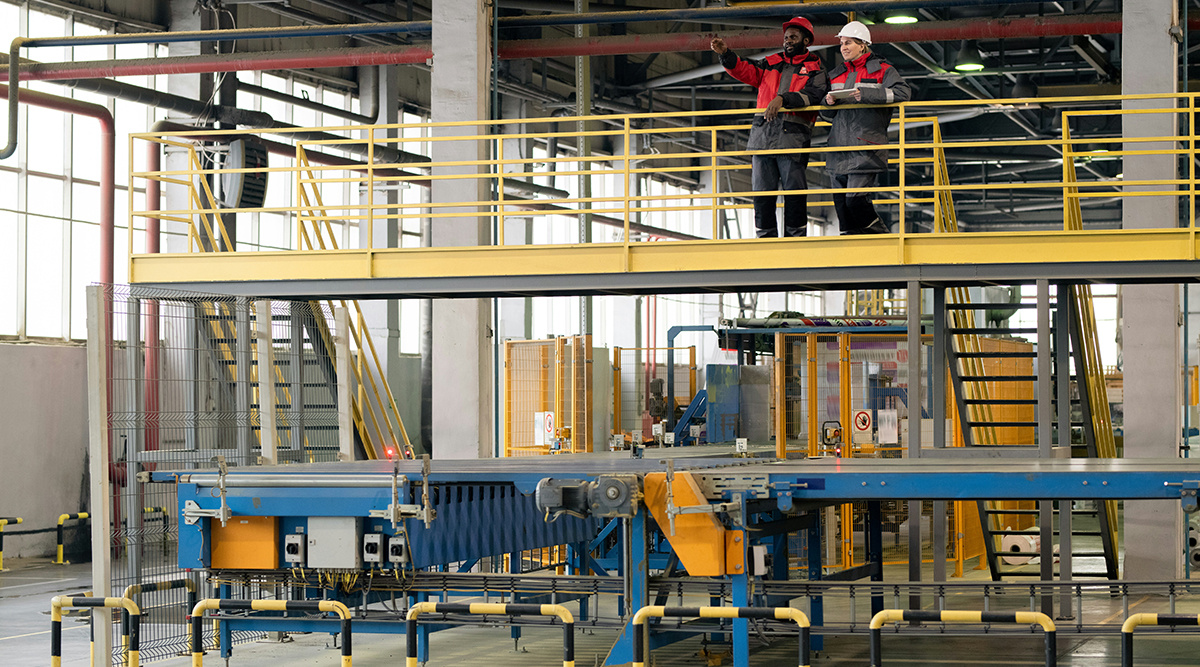
Every production facility needs an adequate commercial waste disposal system to provide and maintain a clean, safe working environment. The primary piece of equipment for proper waste management is the industrial trash compactor. These necessary machines are able to compress all manner of facility waste into smaller sizes for easy hauling to landfills or are able to compact the trash into easy-to-manage trash compactor bags for disposal. All of this necessitates a properly functioning industrial trash compactor. To keep your industrial trash compactor running at A-1 shape, routine maintenance is necessary.
Proper Industrial Trash Compactor Maintenance
Proper trash compactor maintenance is a typical concern for any facility/warehouse/manufacturing center—where time, money, and safety are at a premium. An adequately maintained trash compactor maintenance program will keep a facility’s compactor running like new for years.
If any manufacturing center is hoping to avoid extended downtime periods due to replacement part procurement or for repair time, a weekly, monthly and even annual maintenance program is beneficial. Periodic maintenance is also essential in extending the lifetime of any industrial waste compactor. When facilities perform planned maintenance during non-production hours, the benefits are apparent.
Preventative Maintenance
Performed scheduled preventative maintenance saves money in the following ways:
- Reduces compacting waste down time
- Frequently reduces production down time
- Minimizes spare parts inventory for compaction equipment
Since it saves money for your company, why not schedule and perform maintenance on your industrial trash compactor at proper intervals?
The Maintenance Value to a Production Facility

Many companies consider their waste disposal to be integral to their production process. Therefore, when the industrial trash compactor is not functioning properly, it can affect production. How can a company be assured that the trash compactor will not negatively affect production? The answer of course is preventative maintenance. Preventative maintenance only comes about by making someone responsible for it who knows the equipment to be maintained and is disciplined in executing a plan for when and how to perform preventative maintenance on your company trash compactors.
The most effective maintenance schedule is to do it in the following intervals: weekly, monthly and annually. As the interval increases, the depth of the maintenance effort is increased. Always start any preventative maintenance program by first reading the maintenance recommended in the manufacturer’s manual. Briefly, these are planned intervals where the time spent on each maintenance session is proportional to the complexity of the equipment:
- Weekly
a. Make sure all safety labels are visible
b. Check safety switches
c. Observe area for dust
d. Remove dust and any fluid spots
e. Grease elements if any are identified in the manual
f. Check fluid levels and add if needed - Monthly
a. Same as weekly
b. Run compactor for several minutes and observe
c. Make sure compactor is secure to floor
d. Check safety alarms and emergency stop button
e. Change fluid filter every 6 months - Annually
a. Ask users of equipment about problems they might be experiencing
b. Same as monthly
c. Check all hoses and connections
d. Check oil pressure on all hydraulic circuits
e. Drain, flush and refill fluid reservoir
The Advantages to Using a RotoPac
Although unique, KenBay’s RotoPac Industrial Trash Compactor requires little maintenance, there are certain items to be aware of to continue to operate the industrial machinery at peak efficiency. Minimal periodic maintenance, such as observing the reservoir hydraulic fluid, making sure the safety labels are visible, and cleaning any traces of grease or dust, are prudent and straightforward tasks to perform.
The maintenance processes are so easy that any facility’s staff maintenance personnel can perform them in several hours. If your company subcontracts the equipment maintenance, have them call KenBay at 843-388-5023 for a copy of the manual and any help they may require.
- Blog (11)
- Commercial Trash Compactor (11)
- waste reduction (7)
- Hazardous Waste (6)
- plastic recycling (5)
- sustainability (5)
- waste cost reduction (5)
- waste efficiency (5)
- Industrial Compactors (4)
- Industrial Waste Bags (4)
- industrial trash compactor (4)
- industrial waste (4)
- waste volume reduction (4)
- Industrial Waste Removal (3)
- Industrial trash compactors (3)
- cardboard baler (3)
- cardboard recycling (3)
- commercial compactor (3)
- hazardous waste safety (3)
- industrial waste compactor (3)
- industrial waste disposal (3)
- industrial waste safety (3)
- landfill diversion (3)
- recycling cost reduction (3)
- waste handling efficiency (3)
- waste transport efficiency (3)
- Recycling Regulations (2)
- RotoPac Waste Compactors (2)
- Smart Waste Solutions (2)
- Stainless Steel Compactors (2)
- Sustentability (2)
- case study (2)
- compactor benefits (2)
- hazardous waste disposal (2)
- health and safety (2)
- landfill gas recovery (2)
- lean manufacturing (2)
- paint disposal safety (2)
- recycling equipment (2)
- trim disposal solutions (2)
- waste compactors (2)
- waste management savings (2)
- zero landfill (2)
- zero waste strategy (2)
- Balers (1)
- Environmental Compliance (1)
- Equipment Comparison (1)
- Food Industry (1)
- Guide for Industrial Waste Management (1)
- Hazardous Waste Management (1)
- Increased property value (1)
- Industrial Compactor Safety (1)
- KenBay compactor (1)
- KenBay's RotoPac compactor (1)
- Pharmaceutical Waste (1)
- RotoPac Upgrades (1)
- Safety (1)
- Trash Compactor ROI (1)
- Waste Disposal (1)
- Waste Management Innovation (1)
- Waste Management Laws (1)
- Waste Management Planning (1)
- Waste Management Solutions (1)
- Waste Regulations (1)
- air quality safety (1)
- baking waste reduction (1)
- baler benefits (1)
- baler efficiency (1)
- baler safety (1)
- baler vs compactor (1)
- biofuels (1)
- biomass energy (1)
- bulk bag disposal (1)
- bulk bag handling (1)
- business efficiency (1)
- cardboard compactor safety (1)
- chemical disposal (1)
- chemical waste compliance (1)
- cling wrap (1)
- commercial real estate property (1)
- community service (1)
- compact equipment benefits (1)
- compaction features (1)
- compaction rate (1)
- compactor (1)
- compactor bags (1)
- compactor maintenance (1)
- compactor rental (1)
- compactor vs baler (1)
- cost savings (1)
- crusher benefits (1)
- depackaging (1)
- depackaging equipment (1)
- dewatering (1)
- dewatering equipment (1)
- durable trash compactor (1)
- dust control (1)
- dust system alternatives (1)
- edge trim waste (1)
- environmental impact (1)
- environmental waste handling (1)
- equipment features (1)
- facility waste awareness (1)
- food industry waste (1)
- food manufacturing waste (1)
- food waste handling (1)
- food waste recycling (1)
- freight (1)
- garbage handling (1)
- green waste solutions (1)
- hazardous substance handling (1)
- hazardous waste tips (1)
- health and safety compliance (1)
- history of the trash compactor (1)
- how to reduce waste (1)
- industrial compactor upgrade (1)
- industrial efficiency (1)
- industrial food waste (1)
- industrial non-hazardous waste (1)
- industrial recycling logistics (1)
- industrial waste compactors (1)
- industrial waste cost (1)
- industrial waste solutions (1)
- intellectual property (1)
- label matrix trim (1)
- label presses (1)
- landfill (1)
- landfill free strategy (1)
- landfill gas (1)
- lean (1)
- manufacturing (1)
- manufacturing IP (1)
- manufacturing efficiency (1)
- manufacturing safety (1)
- manufacturing waste reduction (1)
- manufacturing workflow (1)
- material flow (1)
- multi-industry waste solutions (1)
- plastic compactor (1)
- recyclable materials (1)
- recyclable transport (1)
- recycling balers (1)
- recycling equipment safety (1)
- recycling strategy (1)
- reduce manual waste (1)
- reduce waste expenses (1)
- regulatory compliance (1)
- rental waste solutions (1)
- safe disposal practices (1)
- safe paint handling (1)
- safe waste handling (1)
- small compactor (1)
- small footprint compactor (1)
- super sacks (1)
- sustainable waste practices (1)
- trash disposal savings (1)
- trash removal costs (1)
- waste audit (1)
- waste can efficiency (1)
- waste compaction efficiency (1)
- waste cost analysis (1)
- waste crusher (1)
- waste equipment costs (1)
- waste equipment investment (1)
- waste moisture reduction (1)
- waste product value (1)
- waste saving strategies (1)
- waste-to-energy (1)
- workplace hazards (1)
- workplace safty (1)
- zero waste resources (1)
- June 2024 (1)
- May 2024 (1)
- April 2024 (1)
- March 2024 (1)
- February 2024 (1)
- January 2024 (1)
- December 2023 (1)
- November 2023 (1)
- October 2023 (1)
- September 2023 (1)
- August 2023 (1)
- June 2023 (1)
- May 2023 (1)
- March 2023 (1)
- February 2023 (1)
- January 2023 (1)
- December 2022 (1)
- November 2022 (1)
- October 2022 (1)
- September 2022 (1)
- August 2022 (1)
- July 2022 (1)
- June 2022 (1)
- May 2022 (1)
- April 2022 (2)
- March 2022 (1)
- February 2022 (1)
- January 2022 (1)
- December 2021 (1)
- November 2021 (1)
- October 2021 (1)
- September 2021 (1)
- August 2021 (1)
- July 2021 (1)
- June 2021 (1)
- March 2021 (1)
- July 2020 (1)
- June 2020 (1)
- May 2020 (1)
- June 2019 (1)
- May 2019 (1)
- April 2019 (1)
- March 2019 (2)
- February 2019 (1)
- January 2019 (1)
- December 2018 (1)
- July 2018 (1)
- May 2018 (1)
- January 2018 (1)
- October 2017 (1)
- September 2017 (1)
- June 2017 (6)
- May 2017 (4)
- April 2017 (4)
- March 2017 (4)
- February 2017 (4)
- January 2017 (4)
- December 2016 (4)
- November 2016 (4)
- October 2016 (4)
- September 2016 (3)
- August 2016 (5)
- July 2016 (3)
- June 2016 (5)
- May 2016 (4)
- April 2016 (4)
- March 2016 (6)
- February 2016 (1)
Subscribe by email
You May Also Like
These Related Stories

Keep Your Trash Compactor Running Smoothly With Proper Maintenance

Guidelines and Regulations for Managing Hazardous Waste