By KenBay on Nov 28, 2022, 3:00:39 AM

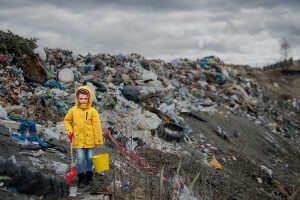
Countries all over the world are looking into comprehensive waste management plans to help alleviate issues brought on by excessive garbage. For almost 35 years, the Environmental Protection Agency (EPA) has tracked and reported on garbage statistics in the United States. The current rate of municipal solid waste (MSW) production is estimated by the government to be 292.4 million US short tons, or 4.9 pounds per person per day. Out of the MSW that was produced, about 69 million tons were recycled, and 25 million tons were composted.
The rising amount of trash dumped in landfills can be reduced by a number of initiatives, including Waste-to-Energy (WtE) projects and the increased recycling of renewable materials like paper and corrugated cardboard. The future of waste management includes sustainability and energy recovery trends like the ones below.
More Waste-to-Energy Conversion
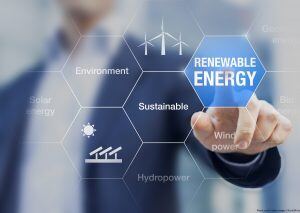
 Generation of energy in the form of electricity and/or heat from the primary treatment of industrial waste, or the processing of waste into a stable fuel source, is what is meant by the term “Waste-to-Energy.” WtE is a process that allows energy to be recovered and reused from properly managed industrial waste. Most WtE processes either produce a combustible fuel commodity like methane, methanol, ethanol, or synthetic fuels, or they directly generate electricity and/or heat through combustion.
The most widespread and lucrative use of WtE is incineration or the combustion of organic material like trash with energy recovery. Incineration of industrial solid waste is a tested and true method of WtE generation. Incineration often involves burning garbage to boil water in order to power steam generators. This produces electricity and heat that can be used by households, companies, and other organizations. New solutions have emerged to address the issue of acid rain, which has been brought about by the recirculation of pollutants in the atmosphere.
Current incinerators are built with a secondary burn chamber and regulated burners to ensure thorough combustion with minimal byproducts. Smokestack accessories like lime scrubbers and electrostatic precipitators can be dispensed with in most circumstances. While other newer facilities use sophisticated oxygen enrichment systems, some use cutting-edge stoker technology. The direct smelting method is used at many processing facilities around the globe.
Emerging Sustainable Packaging
 We should expect a steady increase in the amount of recyclable materials used in packaging. Creating eco-friendly packaging has emerged as a critical component in the quest for sustainability in a variety of manufacturing sectors. Sustainable packaging covers a lot of ground, from “eco-packaging” that makes use of fewer materials to “traditional” packaging that is recycled or reusable. Manufacturers and industrial waste management firms are increasingly turning to eco-friendly packaging materials like recycled cardboard boxes and paper bags.
Paper pulp, which has been recycled, is a malleable material derived from wood fibers. This recycled material is great for making corrugated cardboard boxes and cardstock since it is made from the fibers of previously used paper products.
However, the limited durability of recycled paper pulp is one of its drawbacks. Each recycling process causes the microscopic wood fibers to become shorter and shorter. The addition of new, long wood fibers to the pulpy mash rejuvenates recycled paper pulp.
An additional type of environmentally-friendly packaging that is gaining in popularity is compostable packaging. Compostable packaging is typically crafted from corn, sugar cane, carrots, and beets.
Finally, hemp and mushroom fibers are gaining traction as policymakers in the European Union and the United States recognize their potential and financial benefits. A fully biodegradable bioplastic that can dissolve in landfills in as little as 6 months can be made from the tough cellulose of the hemp plant and the mycelium in mushrooms.
Be Part of the Future of Waste Management with the KenBay RotoPac
KenBay adds enormous value to your company’s implementation of the EPA Guide for Industrial Waste Management. A critical player in the future of waste management, the KenBay Rotopac Rotary Compactor reduces the amount of your company’s industrial waste by tightly compacting it into 4’ cubed bags, which enables haulers to maximize the space needed to truck it to recycling centers, Waste To Energy (WtE) facilities, or the incinerator. These stackable bags are superior to transporting roll-offs and receiver cans which contain considerable air. This allows facility managers to make environmentally responsible decisions while working in partnership with local regulatory agencies and the public at large to reduce the size of their industrial waste footprint and drastically reduce the expense of transporting waste to recycling centers and WtE facilities.
Reasons to Try the KenBay RotoPac Industrial Compactor:
- The small 4’ x 5’ footprint allows for strategic placement, which means less handling.
- The high compaction rate of 6:1 means you can ship more waste, not air.
- When you minimize the handling of waste materials, you also improve safety compliance.
- KenBay is the only U.S. supplier of rotary continuous compaction machines like the RotoPac.
- You can go biodegradable – with the RotoPac, biodegradable waste bags are available.

Creating Sustainable Alternatives: About Waste-to-Energy
What are the True Costs for Waste to Energy Transport