
5 Hazardous Waste Disposal Safety Tips
By Kenbay Admin on Jun 6, 2019 5:51:55 AM

Dealing with hazardous waste disposal can often seem overwhelming.
Not only are there a multitude of hazardous waste disposal rules and regulations to adhere to, but there are also serious consequences associated with any mishap.
The first step in creating a plan to dispose of hazardous waste is to assess your procedures that produce waste and consider how you might diminish their byproducts.
Here are five tips to make sure you’re handling hazardous waste disposal safely and efficiently.
1. Keep waste separate
Keeping waste segregated is vital because it keeps chemical reactions from occurring. Liquid wastes, gasses and solids should all be separate before you dispose of them. Make sure you adhere to government guidelines on how to separate chemicals into their appropriate categories.
You should also have a designated storage area for hazardous waste that only authorized personnel can access. This space should be clearly labeled as a hazardous waste storage area.
2. Proper labeling
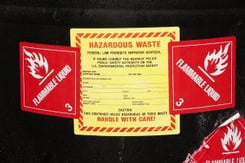
It’s critical that all of your hazardous waste disposal containers are correctly labeled so they can be handled appropriately.
Make sure you’re using official labels from the Environmental Protection Agency (EPA) without abbreviations, and always include the EPA hazardous waste number. Ideally, these labels should also be weather-resistant.
It’s not enough to simply denote the waste category. Failing to use proper labeling can result in leaks, explosions and improper treatment. And that can lead to a greater potential for an unsafe workplace and environmental hazards.
3. Use the right storage materials
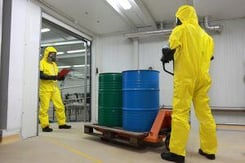
Make sure you’re keeping waste in its appropriate storage containers that are compatible with the type of waste being stored and made from materials that can resist corrosion and weather.
When disposing of hazardous liquid waste, make sure you use containers that are tightly sealed with no chance of leaking.
Your facility should have leak management systems to store all of your liquid waste. Always keep track of any liquid that could seep out of your containers or spill when transferring to waste containers.
4. Conduct weekly inspections
Having weekly inspections performed by governmental health and safety agencies provide all the resources your company needs for proper hazardous waste disposal.
They will inspect your facility to make sure you’re up to code, and also look for things you might have missed that could endanger your workers or harm the environment. The importance of inspections can’t be overstated.
5. Document whenever possible
Don’t put off documenting your waste management procedures. It might seem like needless extra paperwork, it will be vital if something ever goes wrong. You’ll know how to respond to a crisis and get to the bottom of what’s wrong. The work you do to document your waste management now will help you save money – and potentially save lives – down the road.
It’s also important to know which EPA hazardous waste generator designation applies to your company. Businesses can be large quantity generators, small quantity generators and what’s known as conditionally exempt small quantity generators.
Each designation has its own regulations, with rules becoming stricter with the amount of waste produced. For example, large quantity generators must provide significantly more training for employees on proper hazardous waste management procedures.
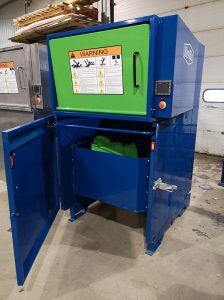
If you’re searching for a better way to handle hazardous waste disposal at your facility, turn to KenBay. Our RotoPac HazPac hazardous waste compactor has a small footprint, high compaction, ease of use and its unique ability to compact waste into bulk bags or into hazardous waste boxes makes this hazardous waste compactor ideal for compacting hazardous waste for transporting.
Contact us today to learn more about how KenBay can help your company with its hazardous waste disposal procedures.

- Blog (11)
- Commercial Trash Compactor (11)
- waste reduction (7)
- Hazardous Waste (6)
- plastic recycling (5)
- sustainability (5)
- waste cost reduction (5)
- waste efficiency (5)
- Industrial Compactors (4)
- Industrial Waste Bags (4)
- industrial trash compactor (4)
- industrial waste (4)
- waste volume reduction (4)
- Industrial Waste Removal (3)
- Industrial trash compactors (3)
- cardboard baler (3)
- cardboard recycling (3)
- commercial compactor (3)
- hazardous waste safety (3)
- industrial waste compactor (3)
- industrial waste disposal (3)
- industrial waste safety (3)
- landfill diversion (3)
- recycling cost reduction (3)
- waste handling efficiency (3)
- waste transport efficiency (3)
- Recycling Regulations (2)
- RotoPac Waste Compactors (2)
- Smart Waste Solutions (2)
- Stainless Steel Compactors (2)
- Sustentability (2)
- case study (2)
- compactor benefits (2)
- hazardous waste disposal (2)
- health and safety (2)
- landfill gas recovery (2)
- lean manufacturing (2)
- paint disposal safety (2)
- recycling equipment (2)
- trim disposal solutions (2)
- waste compactors (2)
- waste management savings (2)
- zero landfill (2)
- zero waste strategy (2)
- Balers (1)
- Environmental Compliance (1)
- Equipment Comparison (1)
- Food Industry (1)
- Guide for Industrial Waste Management (1)
- Hazardous Waste Management (1)
- Increased property value (1)
- Industrial Compactor Safety (1)
- KenBay compactor (1)
- KenBay's RotoPac compactor (1)
- Pharmaceutical Waste (1)
- RotoPac Upgrades (1)
- Safety (1)
- Trash Compactor ROI (1)
- Waste Disposal (1)
- Waste Management Innovation (1)
- Waste Management Laws (1)
- Waste Management Planning (1)
- Waste Management Solutions (1)
- Waste Regulations (1)
- air quality safety (1)
- baking waste reduction (1)
- baler benefits (1)
- baler efficiency (1)
- baler safety (1)
- baler vs compactor (1)
- biofuels (1)
- biomass energy (1)
- bulk bag disposal (1)
- bulk bag handling (1)
- business efficiency (1)
- cardboard compactor safety (1)
- chemical disposal (1)
- chemical waste compliance (1)
- cling wrap (1)
- commercial real estate property (1)
- community service (1)
- compact equipment benefits (1)
- compaction features (1)
- compaction rate (1)
- compactor (1)
- compactor bags (1)
- compactor maintenance (1)
- compactor rental (1)
- compactor vs baler (1)
- cost savings (1)
- crusher benefits (1)
- depackaging (1)
- depackaging equipment (1)
- dewatering (1)
- dewatering equipment (1)
- durable trash compactor (1)
- dust control (1)
- dust system alternatives (1)
- edge trim waste (1)
- environmental impact (1)
- environmental waste handling (1)
- equipment features (1)
- facility waste awareness (1)
- food industry waste (1)
- food manufacturing waste (1)
- food waste handling (1)
- food waste recycling (1)
- freight (1)
- garbage handling (1)
- green waste solutions (1)
- hazardous substance handling (1)
- hazardous waste tips (1)
- health and safety compliance (1)
- history of the trash compactor (1)
- how to reduce waste (1)
- industrial compactor upgrade (1)
- industrial efficiency (1)
- industrial food waste (1)
- industrial non-hazardous waste (1)
- industrial recycling logistics (1)
- industrial waste compactors (1)
- industrial waste cost (1)
- industrial waste solutions (1)
- intellectual property (1)
- label matrix trim (1)
- label presses (1)
- landfill (1)
- landfill free strategy (1)
- landfill gas (1)
- lean (1)
- manufacturing (1)
- manufacturing IP (1)
- manufacturing efficiency (1)
- manufacturing safety (1)
- manufacturing waste reduction (1)
- manufacturing workflow (1)
- material flow (1)
- multi-industry waste solutions (1)
- plastic compactor (1)
- recyclable materials (1)
- recyclable transport (1)
- recycling balers (1)
- recycling equipment safety (1)
- recycling strategy (1)
- reduce manual waste (1)
- reduce waste expenses (1)
- regulatory compliance (1)
- rental waste solutions (1)
- safe disposal practices (1)
- safe paint handling (1)
- safe waste handling (1)
- small compactor (1)
- small footprint compactor (1)
- super sacks (1)
- sustainable waste practices (1)
- trash disposal savings (1)
- trash removal costs (1)
- waste audit (1)
- waste can efficiency (1)
- waste compaction efficiency (1)
- waste cost analysis (1)
- waste crusher (1)
- waste equipment costs (1)
- waste equipment investment (1)
- waste moisture reduction (1)
- waste product value (1)
- waste saving strategies (1)
- waste-to-energy (1)
- workplace hazards (1)
- workplace safty (1)
- zero waste resources (1)
- June 2024 (1)
- May 2024 (1)
- April 2024 (1)
- March 2024 (1)
- February 2024 (1)
- January 2024 (1)
- December 2023 (1)
- November 2023 (1)
- October 2023 (1)
- September 2023 (1)
- August 2023 (1)
- June 2023 (1)
- May 2023 (1)
- March 2023 (1)
- February 2023 (1)
- January 2023 (1)
- December 2022 (1)
- November 2022 (1)
- October 2022 (1)
- September 2022 (1)
- August 2022 (1)
- July 2022 (1)
- June 2022 (1)
- May 2022 (1)
- April 2022 (2)
- March 2022 (1)
- February 2022 (1)
- January 2022 (1)
- December 2021 (1)
- November 2021 (1)
- October 2021 (1)
- September 2021 (1)
- August 2021 (1)
- July 2021 (1)
- June 2021 (1)
- March 2021 (1)
- July 2020 (1)
- June 2020 (1)
- May 2020 (1)
- June 2019 (1)
- May 2019 (1)
- April 2019 (1)
- March 2019 (2)
- February 2019 (1)
- January 2019 (1)
- December 2018 (1)
- July 2018 (1)
- May 2018 (1)
- January 2018 (1)
- October 2017 (1)
- September 2017 (1)
- June 2017 (6)
- May 2017 (4)
- April 2017 (4)
- March 2017 (4)
- February 2017 (4)
- January 2017 (4)
- December 2016 (4)
- November 2016 (4)
- October 2016 (4)
- September 2016 (3)
- August 2016 (5)
- July 2016 (3)
- June 2016 (5)
- May 2016 (4)
- April 2016 (4)
- March 2016 (6)
- February 2016 (1)
Subscribe by email
You May Also Like
These Related Stories

Top 10 Safety Tips on How to Get Rid of Old Paint

3 Easy Ways to Reduce Handling When Handling Waste