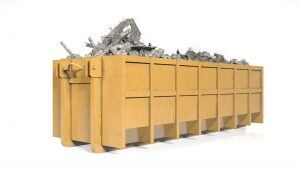
Benefits of Owning an Industrial Trash Compactor
By Kenbay Admin on May 20, 2019 5:29:03 AM
It’s a never ending battle: your company produces waste, your workers haul it to dumpsters or recycling bins – or spend work hours cutting up cardboard boxes – and the cycle begins again, all in an effort to keep trash from taking up space.
This scenario plays out every day at businesses around the country…except for the ones who understand all of the benefits and have made the decision to invest in an industrial waste compactor.
In this blog post, we’ll look at a few reasons why an industrial trash compactor can help your company: save space; improve safety and security; save hauling, transportation and fuel costs and, generally become a greener, cleaner company.
1. You’ll have more space
One of the most obvious benefits of owning an industrial trash compactor is that you’ll gain extra space by turning bulky trash into smaller, more manageable cubes and bales. You’ll gain more storage space and make your property more aesthetically pleasing.
And don’t worry about having to train your employees to operate a complex piece of machinery. While proper training is important for both safety and efficiency, modern compactors tend to be fairly easy to operate.
2. You’ll improve safety and security
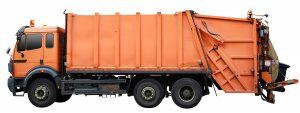
When you use an industrial trash compactor, you’ll have fewer trash collection trucks coming in and out of your property, which means less traffic and less wear and tear on your infrastructure.
Compactors are especially useful at facilities that have higher security protocols and want to cut down on the number of vehicles going in and out. And overflowing trash can become a fire hazard. With a compactor, everything is nice and neat.
Finally, using an industrial trash compactor makes things safer for your employees. They won’t have to break down waste by hand, won’t be at risk for slips and falls caused by spills. They also won’t need to make trips to the dumpster or work around extra heavy equipment traffic.

3. You’ll be a greener company
Compacting your trash reduces the amount of waste you’ll be sending to landfills, and the number of trucks on the road, both of which help the environment. This is not only good for our planet, it’s good for your bottom line, as customers are more likely to support businesses with green records.
4. You’ll be a cleaner company
An industrial waste compactor is a sealed container, which means it cuts off access to waste and prevents odors, meaning you won’t attract insects and rodents. You also won’t be dealing with as much wind-blown trash, which means your workers won’t have to spend as much time cleaning up litter.
5. You’ll save on hauling costs, transportation and fuel
When you compact your trash into smaller pieces, what used to require several journeys to the landfill can now become a single trip. That means you can save money on the price of fuel or the cost of hiring a sanitation company to remove your trash.
Are you ready to invest in an industrial trash compactor? KenBay can help.
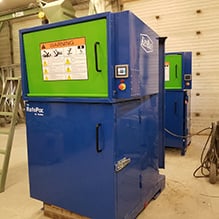
Our RotoPac Industrial Waste Compactor was designed with a small footprint, high waste capacity and the compaction ability you need to handle multiple applications, whether you’re working with large volumes of trash, plastics for recycling, hazardous waste or cardboard.
From manufacturing plants to distribution centers to marine environments and more, we’ve helped companies like yours save space, reduce costs and make their facilities cleaner, greener and safer. Contact us today to learn more about the RotoPac.

- Blog (11)
- Commercial Trash Compactor (11)
- waste reduction (7)
- Hazardous Waste (6)
- plastic recycling (5)
- sustainability (5)
- waste cost reduction (5)
- waste efficiency (5)
- Industrial Compactors (4)
- Industrial Waste Bags (4)
- industrial trash compactor (4)
- industrial waste (4)
- waste volume reduction (4)
- Industrial Waste Removal (3)
- Industrial trash compactors (3)
- cardboard baler (3)
- cardboard recycling (3)
- commercial compactor (3)
- hazardous waste safety (3)
- industrial waste compactor (3)
- industrial waste disposal (3)
- industrial waste safety (3)
- landfill diversion (3)
- recycling cost reduction (3)
- waste handling efficiency (3)
- waste transport efficiency (3)
- Recycling Regulations (2)
- RotoPac Waste Compactors (2)
- Smart Waste Solutions (2)
- Stainless Steel Compactors (2)
- Sustentability (2)
- case study (2)
- compactor benefits (2)
- hazardous waste disposal (2)
- health and safety (2)
- landfill gas recovery (2)
- lean manufacturing (2)
- paint disposal safety (2)
- recycling equipment (2)
- trim disposal solutions (2)
- waste compactors (2)
- waste management savings (2)
- zero landfill (2)
- zero waste strategy (2)
- Balers (1)
- Environmental Compliance (1)
- Equipment Comparison (1)
- Food Industry (1)
- Guide for Industrial Waste Management (1)
- Hazardous Waste Management (1)
- Increased property value (1)
- Industrial Compactor Safety (1)
- KenBay compactor (1)
- KenBay's RotoPac compactor (1)
- Pharmaceutical Waste (1)
- RotoPac Upgrades (1)
- Safety (1)
- Trash Compactor ROI (1)
- Waste Disposal (1)
- Waste Management Innovation (1)
- Waste Management Laws (1)
- Waste Management Planning (1)
- Waste Management Solutions (1)
- Waste Regulations (1)
- air quality safety (1)
- baking waste reduction (1)
- baler benefits (1)
- baler efficiency (1)
- baler safety (1)
- baler vs compactor (1)
- biofuels (1)
- biomass energy (1)
- bulk bag disposal (1)
- bulk bag handling (1)
- business efficiency (1)
- cardboard compactor safety (1)
- chemical disposal (1)
- chemical waste compliance (1)
- cling wrap (1)
- commercial real estate property (1)
- community service (1)
- compact equipment benefits (1)
- compaction features (1)
- compaction rate (1)
- compactor (1)
- compactor bags (1)
- compactor maintenance (1)
- compactor rental (1)
- compactor vs baler (1)
- cost savings (1)
- crusher benefits (1)
- depackaging (1)
- depackaging equipment (1)
- dewatering (1)
- dewatering equipment (1)
- durable trash compactor (1)
- dust control (1)
- dust system alternatives (1)
- edge trim waste (1)
- environmental impact (1)
- environmental waste handling (1)
- equipment features (1)
- facility waste awareness (1)
- food industry waste (1)
- food manufacturing waste (1)
- food waste handling (1)
- food waste recycling (1)
- freight (1)
- garbage handling (1)
- green waste solutions (1)
- hazardous substance handling (1)
- hazardous waste tips (1)
- health and safety compliance (1)
- history of the trash compactor (1)
- how to reduce waste (1)
- industrial compactor upgrade (1)
- industrial efficiency (1)
- industrial food waste (1)
- industrial non-hazardous waste (1)
- industrial recycling logistics (1)
- industrial waste compactors (1)
- industrial waste cost (1)
- industrial waste solutions (1)
- intellectual property (1)
- label matrix trim (1)
- label presses (1)
- landfill (1)
- landfill free strategy (1)
- landfill gas (1)
- lean (1)
- manufacturing (1)
- manufacturing IP (1)
- manufacturing efficiency (1)
- manufacturing safety (1)
- manufacturing waste reduction (1)
- manufacturing workflow (1)
- material flow (1)
- multi-industry waste solutions (1)
- plastic compactor (1)
- recyclable materials (1)
- recyclable transport (1)
- recycling balers (1)
- recycling equipment safety (1)
- recycling strategy (1)
- reduce manual waste (1)
- reduce waste expenses (1)
- regulatory compliance (1)
- rental waste solutions (1)
- safe disposal practices (1)
- safe paint handling (1)
- safe waste handling (1)
- small compactor (1)
- small footprint compactor (1)
- super sacks (1)
- sustainable waste practices (1)
- trash disposal savings (1)
- trash removal costs (1)
- waste audit (1)
- waste can efficiency (1)
- waste compaction efficiency (1)
- waste cost analysis (1)
- waste crusher (1)
- waste equipment costs (1)
- waste equipment investment (1)
- waste moisture reduction (1)
- waste product value (1)
- waste saving strategies (1)
- waste-to-energy (1)
- workplace hazards (1)
- workplace safty (1)
- zero waste resources (1)
- June 2024 (1)
- May 2024 (1)
- April 2024 (1)
- March 2024 (1)
- February 2024 (1)
- January 2024 (1)
- December 2023 (1)
- November 2023 (1)
- October 2023 (1)
- September 2023 (1)
- August 2023 (1)
- June 2023 (1)
- May 2023 (1)
- March 2023 (1)
- February 2023 (1)
- January 2023 (1)
- December 2022 (1)
- November 2022 (1)
- October 2022 (1)
- September 2022 (1)
- August 2022 (1)
- July 2022 (1)
- June 2022 (1)
- May 2022 (1)
- April 2022 (2)
- March 2022 (1)
- February 2022 (1)
- January 2022 (1)
- December 2021 (1)
- November 2021 (1)
- October 2021 (1)
- September 2021 (1)
- August 2021 (1)
- July 2021 (1)
- June 2021 (1)
- March 2021 (1)
- July 2020 (1)
- June 2020 (1)
- May 2020 (1)
- June 2019 (1)
- May 2019 (1)
- April 2019 (1)
- March 2019 (2)
- February 2019 (1)
- January 2019 (1)
- December 2018 (1)
- July 2018 (1)
- May 2018 (1)
- January 2018 (1)
- October 2017 (1)
- September 2017 (1)
- June 2017 (6)
- May 2017 (4)
- April 2017 (4)
- March 2017 (4)
- February 2017 (4)
- January 2017 (4)
- December 2016 (4)
- November 2016 (4)
- October 2016 (4)
- September 2016 (3)
- August 2016 (5)
- July 2016 (3)
- June 2016 (5)
- May 2016 (4)
- April 2016 (4)
- March 2016 (6)
- February 2016 (1)
Subscribe by email
You May Also Like
These Related Stories

The History and Evolution of Industrial Trash Compactors

Are You Aware of the Latest Industrial Waste State Regulations?