
By KenBay on Oct 20, 2021, 12:55:08 PM
KenBay’s commercial trash compactor models have been the leading choice for waste compaction for many years. Whether you’re looking for a commercial garbage compactor for an oil rig, a stainless steel model designed to the rigid specifications of the food industry, a compactor that can withstand hazardous materials or explosives, or one merely to handle your facility’s general waste or recycling concerns, KenBay compactors can do the job.
RotoPac – Ideal for Compacting Trash, Recyclable Cardboard, and Plastic
The KenBay RotoPac Industrial Waste Compactor was designed with a small footprint, a high capacity for waste, and high compaction to provide the flexibility of multiple applications. The KenBay RotoPac uses rotary arm compaction technology to make this industrial waste compactor unique. Significant contact pressure and torque are exerted on waste to remove the maximum amount of air. By achieving compaction ratios of greater than 6 to 1, the RotoPac greatly reduces your waste disposal costs up to 80 percent.
There are two reasons why the RotoPac is one of the leading compactors for sale on the market today: versatility and the ability to be put almost anywhere. Whether you place the KenBay RotoPac compactor at a manufacturing or assembly plant, ship or marine environment, food and processing plant, distribution center, aerospace facility, pharmaceutical plant, or high-security military installation, its rotary arm system compacts large volumes of trash, recycling plastics, cardboard, and hazardous waste.
The KenBay RotoPac is unique in its ability to handle multiple sources of waste. It crushes various trash streams into an efficient plastic bag, which waste haulers then conveniently pick up in large trash compactor bags. Whether it is general non-metallic solid waste, hazardous solid waste, contraband, 50 lb. supersacks, or rejected pharmaceutical products, the RotoPac achieves impressive compaction ratios while still being no louder than a vacuum cleaner.
The RotoPac HazPac Hazardous Waste Compactor
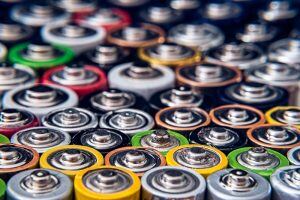 The RotoPac HazPac Hazardous Waste Compactor was designed to accommodate the compaction of certain types of solid hazardous waste materials. This compactor has a small footprint and high compaction. It is also easy to use and has the unique ability to compact waste into bulk bags or into hazardous waste boxes. Combined, these features make this hazardous waste compactor ideal for compacting hazardous waste for transporting.
Whether you use the trash compactor bags or the boxes, your savings can exceed $2,000 per month because of the high rate of compaction. Also, because of the small footprint of RotoPac HazPac, it can be placed close to the source of hazardous material generation, saving travel time and increasing efficiency. The RotoPac HazPac is ideal for hazardous environments such as large aerospace paint shops, chemical plants, battery manufacturers, or any facilities with large volumes of type I, II, or III hazardous waste materials.
BlastPac – The Explosion Proof Industrial Compactor
RotoPac BlastPac was designed as an explosion proof industrial waste compactor. It was created to operate safely in explosive environments where flammable gases or vapors such as varied non-flammable dust are present. This explosion proof waste compactor is ideal for different types of hazardous, explosive environment locations as delineated by the NEC (National Electric Code).
According to the NEC (National Electric Code), there are different types of hazardous locations. The first type of hazard is created by the presence of flammable gases or vapors in the air, such as natural gas or gasoline vapor. When these materials are found in the atmosphere, a potential for explosion exists. If there is a source of ignition present, an explosion can occur. This is referred to as a Class I type of hazard. A Class I hazardous location is one in which flammable gases or vapors may be present in the air in sufficient quantities to be explosive or ignitable.
These are the locations where you want to buy a trash compactor that is fully explosion-proof. These settings include petroleum refineries, gasoline storage and dispensing areas, dry cleaning plants, spray finishing areas, aircraft hangars and fuel servicing areas, utility gas plants, and all hazardous or explosive environment locations requiring Class I hazardous equipment.
Materials such as rags, paper, articles of clothing, boxes, wrapping, etc. that have been exposed to acetylenes, hydrogen, ether, or hydrocarbons fuels and solvents are efficiently and safely compacted in a Class I, Division II RotoPac BlastPac. The Division II designation is most common as it pertains to the gases that are not normally present in an explosive concentration (but may accidentally exist).
SacPac – The Best Food Industry Compactor
The RotoPac SacPac Industrial Waste Compactor is the ideal custom compaction equipment for the food industry. In response to food processing area requirements, the SacPac Food Industry Compactor is equipped with stainless steel components. These provide hygienic compaction of food waste and recyclable materials. Generally, this food waste compactor is placed near where raw food material is unpacked so the packaging material is thrown into the RotoPac SacPac immediately. Additionally, the RotoPac SacPac food waste compactors can be used in the food industry for disposing of 50-pound sacks used in the bakery and ingredient plants.
The RotoPac SacPac characteristics meet both industry codes and the needs of the food industry where a rating of IP56 (International Protection Rating 56) is required. The RotoPac SacPac is designed to take up no more floor space than a standard pallet and enables users to compact the waste right at the source – just off the assembly line or conveyor belt, or at the beginning of the process where 50-pound bags are opened. With this IP56 rating, the RotoPac SacPac handles both wet and dry food waste.
The RotoPac SacPac easily meets the needs of various food processing plants such as ingredient processors, meat processors, bakeries and baking-related firms, as well as dust-conscious pharmaceutical firms. Some common applications include the compaction of 50-pound sacks, supersacks, various food wastes, plastic bags and packaging, and recycled cardboard. The SacPac adds these features: 304 Stainless Steel cabinet skins, galvanized structural parts, and wash down features, such as the control panel and other components being housed in NEMA 4X box, wash-down 5 HP motors, hydraulic block, and other features.
SeaPac – Compacting in Inclement Weather
 Oil rigs in the tropics are a difficult environment for maintaining trash compaction equipment. The RotoPac SeaPac Marine Trash Compactor is built to withstand these challenging conditions for oil rigs and other, less intense environments, such as barges and ships. Safety, ease of use, and environmental impact are design considerations in all KenBay marine waste compactor equipment and supplies. All marine equipment is made to comply with the appropriate standards.
The RotoPac SeaPac marine trash compactor is rated NEMA 4X for use on seafaring vessels. Defined as intended for indoor or outdoor use primarily to provide a degree of protection against corrosion, windblown dust and rain, splashing water, hose-directed water, and damage from ice formation, the SeaPac is the best trash compactor for less-than-ideal weather conditions.
KenBay – Always Improving

EPA Pharmaceutical Hazardous Waste Management Guide | KenBay