
By KenBay on Dec 11, 2023, 12:43:31 PM

The increasing global population and industrial activities have led to a surge in waste generation, posing significant challenges to environmental sustainability. Traditional waste disposal methods, characterized by landfills and incineration, have been a major contributor to environmental degradation. The following explores the environmental impact of these conventional methods and sheds light on how industrial trash compactors offer a sustainable solution to mitigate these issues.
The Environmental Impact of Traditional Waste Disposal Methods
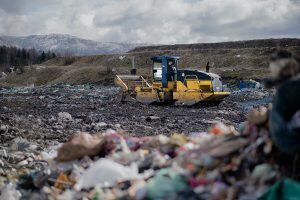
Traditional waste disposal methods, such as landfills and incineration, have long been the go-to solutions for managing the escalating volumes of waste generated by human activities. However, the environmental repercussions of these methods are profound. Landfills contribute to soil and water pollution, emitting harmful leachates and greenhouse gases, while incineration releases pollutants and contributes to air pollution.
 The challenges associated with traditional waste disposal methods are multi-faceted. Landfills occupy vast areas of land, leading to habitat destruction and the depletion of natural resources. Incineration, on the other hand, releases toxic pollutants into the air, compromising air quality and posing health risks to nearby communities.
Pollution is a direct consequence of traditional waste disposal methods. Leachates from landfills contaminate groundwater, affecting aquatic ecosystems and human health. Incineration releases particulate matter and hazardous air pollutants, contributing to respiratory problems and climate change through the emission of greenhouse gases.
What Industrial Trash Compactors Can Do to Help Reduce the Environmental Impact
Industrial trash compactors have emerged as a sustainable alternative to traditional waste disposal methods. These machines effectively reduce the volume of waste, minimizing the need for expansive landfills and decreasing the environmental burden associated with transportation and disposal.
Trash compactors operate by compressing waste materials, significantly reducing their volume. These machines are designed to handle various types of waste, from cardboard and plastics to general waste. The compression process not only minimizes the space required for disposal but also facilitates more efficient transportation and storage.
The adoption of industrial trash compactors offers several advantages. The most notable benefit is the reduction in landfill usage, addressing the issue of limited space for waste disposal. Additionally, compacted waste occupies less space during transportation, leading to lower fuel consumption and decreased transportation costs.
Energy Efficiency and Sustainability Features of Modern Trash Compactors
Modern trash compactors are designed with energy efficiency and sustainability in mind. These machines incorporate advanced technologies to optimize energy consumption during the compaction process. By using sensors and automation, compactors ensure that energy is utilized only when necessary, contributing to overall environmental conservation efforts.
Energy-saving technologies in modern compactors include variable frequency drives, which allow for precise control of the compaction process and reduce energy consumption. Additionally, smart sensors and monitoring systems help optimize compaction cycles, ensuring efficiency while minimizing the environmental impact. KenBay’s line of high quality RotoPac industrial trash compactors are made with this energy efficiency and sustainability in mind.
The benefits of adopting industrial trash compactors are quantifiable and extend beyond reduced landfill usage and transportation costs. Studies have shown a significant decrease in greenhouse gas emissions associated with waste disposal, as well as improvements in air and water quality in regions where compactors are employed thus benefitting employers and employees as well as the nearby communities.
Additional Steps for Minimizing Environmental Impact
 While industrial trash compactors offer a substantial leap towards sustainable waste management, additional steps can be taken to minimize environmental impact further. This includes investing in research and development to enhance the efficiency of compactors, exploring new materials and technologies for waste reduction, and promoting public awareness about responsible waste disposal practices. KenBay’s RotoPac line of industrial trash compactors adheres to industry standards, and the company consistently strives to enhance the machines by incorporating the latest technology while maintaining a judicious balance with cost considerations.
To achieve a holistic approach to waste management, industrial trash compactors should be complemented by recycling and composting initiatives. Recycling reduces the demand for raw materials and minimizes the environmental impact of manufacturing, while composting diverts organic waste from landfills, enriching soil quality and reducing methane emissions. These steps taken together can drastically reduce the environment impact of a company’s operations while improving quality of life and decreasing transportation and landfill usage costs.
Importance of Proper Maintenance and Responsible Disposal of Compacted Waste
In order to realize the environmental and costs benefits of responsible waste disposal, a company should ensure that their industrial trash compactor is well-maintained. The long-term effectiveness of industrial trash compactors relies on proper maintenance and responsible disposal of compacted waste. Regular maintenance ensures the efficiency of the machines, prolonging their lifespan and reducing the need for replacements. Additionally, responsible disposal practices, such as proper sorting of waste streams, contribute to the effectiveness of the compaction process.
In conclusion, the environmental impact of industrial trash compactors presents a compelling case for businesses and individuals to embrace sustainable waste management practices. By transitioning from traditional waste disposal methods to the use of compactors, we can significantly reduce pollution, lower greenhouse gas emissions, and pave the way towards a more sustainable and environmentally conscious future. Embracing these technologies and adopting complementary practices will contribute to a stronger economy that prioritizes resource efficiency and environmental preservation.
We at KenBay have believed that sustainable trash compaction has been the way of the future for the 20+ years we have been in the industry. That is why we offer a variety of RotoPac industrial trash compactors that will suit your company’s requirements (as a plus, our machines are customizable for an additional fee) and will directly impact your bottom line. If you’re interested in exploring additional waste management strategies to enhance sustainability practices, we invite you to connect with KenBay. Contact us at 973-828-8081 to gain valuable insights on optimizing your environmental impact and adopting innovative waste management solutions.

Why You Need to Know Your Local Industrial Waste Regulations

Reduce, Reuse, Recycle: Creative Ways Manufacturers Can Decrease Waste