3 Secrets About Shrink Wrap You Never Knew
By charlotte on Jul 22, 2016 11:40:40 AM
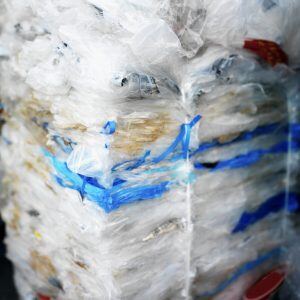
Shrink wrap is a prevalent material used across many industries. You’ll find in your grocery stores, and wrapping entire pallets full of shipments. Unfortunately, most of this stretchy, filmy, sticky plastic that can be somewhat of a nuisance ends up going straight into the trash – 95% of it to be precise. That’s a lot of plastic going to our landfills, and in certain industries it gets to be a voluminous waste stream accounting for tens of cubic yards a week, meaning multiple dumpsters full of the stuff. Without making a concerted effort to separate shrink wrap out from the rest of your waste, it’s a loss as opposed to something that could be an added revenue stream for your business.
3 Things About Shrink Wrap
- It’s Recyclable
It doesn’t occur to many people that shrink wrap is actually recyclable since it doesn’t have the token recycle tag on it that has trained us to know what goes in the blue bin. The fact is that there are many businesses that will gladly buy your shrink wrap and recycle it. Any amount of shrink wrap is worth recycling if just to make more space in your waste cans, and reduce your hauling costs even by a little. If you want to learn more about how you might actually save money by recycling your shrink wrap here are some measurements that will make it easier:1 gaylord = 40 cubic feet = 1.5 cubic yards
40 gaylords = 1600 cubic feet = 60 cubic yards
60 cubic yards = 6 ten-yard dumpsters
Perform an audit to figure out what your weekly totals of shrink wrap waste are and then subtract that from your hauling bill and you will determine how much you could be saving by recycling it as opposed to sending to the landfill.
- Keep it Clean and Separate
In order to recycle shrink wrap, you need to keep it separate from the rest of your waste. Since most shrink wrap waste is created in unpacking, be sure that those employees have separate bins for it. Most recycling firms want shrink wrap to be both clean and have all the labels removed in order for them to buy it back from you. Once removed from packaging the shrink wrap should be immediately placed in a waste bin to reduce the chance of its picking up dust, which will happen quickly as it is a sticky plastic. - You Don’t Need a New Baler for Shrink Wrap
If you already use a baler for something like cardboard and have enough shrink wrap waste to bale, the good news is that you don’t need to buy a new baler to start recycling this as well. If you generate between 2,000 and 4,000 pounds per month a 42-yard compactor will do the job you need to be done. It will take about 20 gaylords of shrink wrap to fill it up the compactor to make one bale.
If you are creating tons of shrink wrap waste a month it is definitely worth contacting a company like KenBay to learn more about what kind of baler you need to start recycling your shrink wrap. We can also help you get connected with the right people who will gladly recycle this waste product for you.

- Blog (11)
- Commercial Trash Compactor (11)
- waste reduction (7)
- Hazardous Waste (6)
- plastic recycling (5)
- sustainability (5)
- waste cost reduction (5)
- waste efficiency (5)
- Industrial Compactors (4)
- Industrial Waste Bags (4)
- industrial trash compactor (4)
- industrial waste (4)
- waste volume reduction (4)
- Industrial Waste Removal (3)
- Industrial trash compactors (3)
- cardboard baler (3)
- cardboard recycling (3)
- commercial compactor (3)
- hazardous waste safety (3)
- industrial waste compactor (3)
- industrial waste disposal (3)
- industrial waste safety (3)
- landfill diversion (3)
- recycling cost reduction (3)
- waste handling efficiency (3)
- waste transport efficiency (3)
- Recycling Regulations (2)
- RotoPac Waste Compactors (2)
- Smart Waste Solutions (2)
- Stainless Steel Compactors (2)
- Sustentability (2)
- case study (2)
- compactor benefits (2)
- hazardous waste disposal (2)
- health and safety (2)
- landfill gas recovery (2)
- lean manufacturing (2)
- paint disposal safety (2)
- recycling equipment (2)
- trim disposal solutions (2)
- waste compactors (2)
- waste management savings (2)
- zero landfill (2)
- zero waste strategy (2)
- Balers (1)
- Environmental Compliance (1)
- Equipment Comparison (1)
- Food Industry (1)
- Guide for Industrial Waste Management (1)
- Hazardous Waste Management (1)
- Increased property value (1)
- Industrial Compactor Safety (1)
- KenBay compactor (1)
- KenBay's RotoPac compactor (1)
- Pharmaceutical Waste (1)
- RotoPac Upgrades (1)
- Safety (1)
- Trash Compactor ROI (1)
- Waste Disposal (1)
- Waste Management Innovation (1)
- Waste Management Laws (1)
- Waste Management Planning (1)
- Waste Management Solutions (1)
- Waste Regulations (1)
- air quality safety (1)
- baking waste reduction (1)
- baler benefits (1)
- baler efficiency (1)
- baler safety (1)
- baler vs compactor (1)
- biofuels (1)
- biomass energy (1)
- bulk bag disposal (1)
- bulk bag handling (1)
- business efficiency (1)
- cardboard compactor safety (1)
- chemical disposal (1)
- chemical waste compliance (1)
- cling wrap (1)
- commercial real estate property (1)
- community service (1)
- compact equipment benefits (1)
- compaction features (1)
- compaction rate (1)
- compactor (1)
- compactor bags (1)
- compactor maintenance (1)
- compactor rental (1)
- compactor vs baler (1)
- cost savings (1)
- crusher benefits (1)
- depackaging (1)
- depackaging equipment (1)
- dewatering (1)
- dewatering equipment (1)
- durable trash compactor (1)
- dust control (1)
- dust system alternatives (1)
- edge trim waste (1)
- environmental impact (1)
- environmental waste handling (1)
- equipment features (1)
- facility waste awareness (1)
- food industry waste (1)
- food manufacturing waste (1)
- food waste handling (1)
- food waste recycling (1)
- freight (1)
- garbage handling (1)
- green waste solutions (1)
- hazardous substance handling (1)
- hazardous waste tips (1)
- health and safety compliance (1)
- history of the trash compactor (1)
- how to reduce waste (1)
- industrial compactor upgrade (1)
- industrial efficiency (1)
- industrial food waste (1)
- industrial non-hazardous waste (1)
- industrial recycling logistics (1)
- industrial waste compactors (1)
- industrial waste cost (1)
- industrial waste solutions (1)
- intellectual property (1)
- label matrix trim (1)
- label presses (1)
- landfill (1)
- landfill free strategy (1)
- landfill gas (1)
- lean (1)
- manufacturing (1)
- manufacturing IP (1)
- manufacturing efficiency (1)
- manufacturing safety (1)
- manufacturing waste reduction (1)
- manufacturing workflow (1)
- material flow (1)
- multi-industry waste solutions (1)
- plastic compactor (1)
- recyclable materials (1)
- recyclable transport (1)
- recycling balers (1)
- recycling equipment safety (1)
- recycling strategy (1)
- reduce manual waste (1)
- reduce waste expenses (1)
- regulatory compliance (1)
- rental waste solutions (1)
- safe disposal practices (1)
- safe paint handling (1)
- safe waste handling (1)
- small compactor (1)
- small footprint compactor (1)
- super sacks (1)
- sustainable waste practices (1)
- trash disposal savings (1)
- trash removal costs (1)
- waste audit (1)
- waste can efficiency (1)
- waste compaction efficiency (1)
- waste cost analysis (1)
- waste crusher (1)
- waste equipment costs (1)
- waste equipment investment (1)
- waste moisture reduction (1)
- waste product value (1)
- waste saving strategies (1)
- waste-to-energy (1)
- workplace hazards (1)
- workplace safty (1)
- zero waste resources (1)
- June 2024 (1)
- May 2024 (1)
- April 2024 (1)
- March 2024 (1)
- February 2024 (1)
- January 2024 (1)
- December 2023 (1)
- November 2023 (1)
- October 2023 (1)
- September 2023 (1)
- August 2023 (1)
- June 2023 (1)
- May 2023 (1)
- March 2023 (1)
- February 2023 (1)
- January 2023 (1)
- December 2022 (1)
- November 2022 (1)
- October 2022 (1)
- September 2022 (1)
- August 2022 (1)
- July 2022 (1)
- June 2022 (1)
- May 2022 (1)
- April 2022 (2)
- March 2022 (1)
- February 2022 (1)
- January 2022 (1)
- December 2021 (1)
- November 2021 (1)
- October 2021 (1)
- September 2021 (1)
- August 2021 (1)
- July 2021 (1)
- June 2021 (1)
- March 2021 (1)
- July 2020 (1)
- June 2020 (1)
- May 2020 (1)
- June 2019 (1)
- May 2019 (1)
- April 2019 (1)
- March 2019 (2)
- February 2019 (1)
- January 2019 (1)
- December 2018 (1)
- July 2018 (1)
- May 2018 (1)
- January 2018 (1)
- October 2017 (1)
- September 2017 (1)
- June 2017 (6)
- May 2017 (4)
- April 2017 (4)
- March 2017 (4)
- February 2017 (4)
- January 2017 (4)
- December 2016 (4)
- November 2016 (4)
- October 2016 (4)
- September 2016 (3)
- August 2016 (5)
- July 2016 (3)
- June 2016 (5)
- May 2016 (4)
- April 2016 (4)
- March 2016 (6)
- February 2016 (1)
Subscribe by email
You May Also Like
These Related Stories
4 Reasons to Make Reuse a Priority in Your Waste Management

What Percentage of Your Logistics Costs Come from Waste?