5 Ways Industrial Waste is Costing you Money . . . and What to do About it!
By CharlieB on Feb 4, 2017 2:46:57 PM
Industrial Waste of Money?
Some people may believe that disposing of industrial waste costs very little money as opposed to recycling it. In reality, this idea couldn’t be farther from the truth. It doesn’t matter whether you are dumping your waste in a landfill or recycling it properly, you will need to spend some money. Nothing good comes for free! Of course we here at KenBay prefer that you choose the more responsible option and recycle it. We have a zero waste initiative and encourage other companies to follow suit. It’s better for the environment, and helps save you money!
“Now wait a minute,” you ask, “Recycling is expensive! Isn’t it better for my company if I throw my industrial waste into the scrapyard instead of paying money to send it somewhere else?” You may think this is the case, but here are some hidden costs you might not have considered.
Labor
So the first question you need to ask is: who’s going to be picking up and hauling the waste? Because, unless technology has advanced significantly in the last 24 hours, we don’t have an army of robots to handle our trash. What we do have are flesh and blood humans, and those still need to be paid.
Transport
“Ok,” you say, “So I’ll need to hire some folks to handle my garbage. That’s fine, I’m sure they have families to feed.” That’s true, and now have you thought about how they will get the waste to the landfill? Because it’s doubtful that they will be walking the entire way. The cost of transport is also a factor!
Inefficient Handling/Packaging
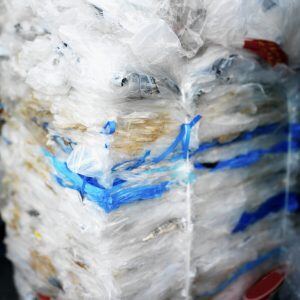
“Well of course they’ll need to use trucks!” you say next. “It’s perfectly reasonable to pay for that.” That it is, but is it reasonable to pay for all that air you’re hauling around? Most of the time, industrial waste is just thrown into the truck. Think about what happens if you just throw clothing haphazardly into a suitcase. Are you able to maximize the use of that potential space? Of course not! It’s the same here: if you’re just throwing the waste on the truck, you end up paying for more trips to haul everything. This compounds the cost of the labor and transport as well.
Consumption of Resources
Consider this also: the waste still needs to be “managed,” as it were. The process involves consuming resources. Energy is used. Water is needed. You still end up paying for this, every time you ship your waste off to a landfill.
Potential for Lawsuits
As you can see, a lot of small hidden costs end up adding to a large money sink. By now, you’re probably wondering how much of your waste you can dump into that pond nearby before anyone notices. Unfortunately for you, the greatest cost of all is handling your waste irresponsibly. You leave yourself vulnerable to a lawsuit. It’s a time consuming process which can irrevocably damage your company’s reputation, on top of the costs for your legal team. Recycling doesn’t sound so bad now, does it?
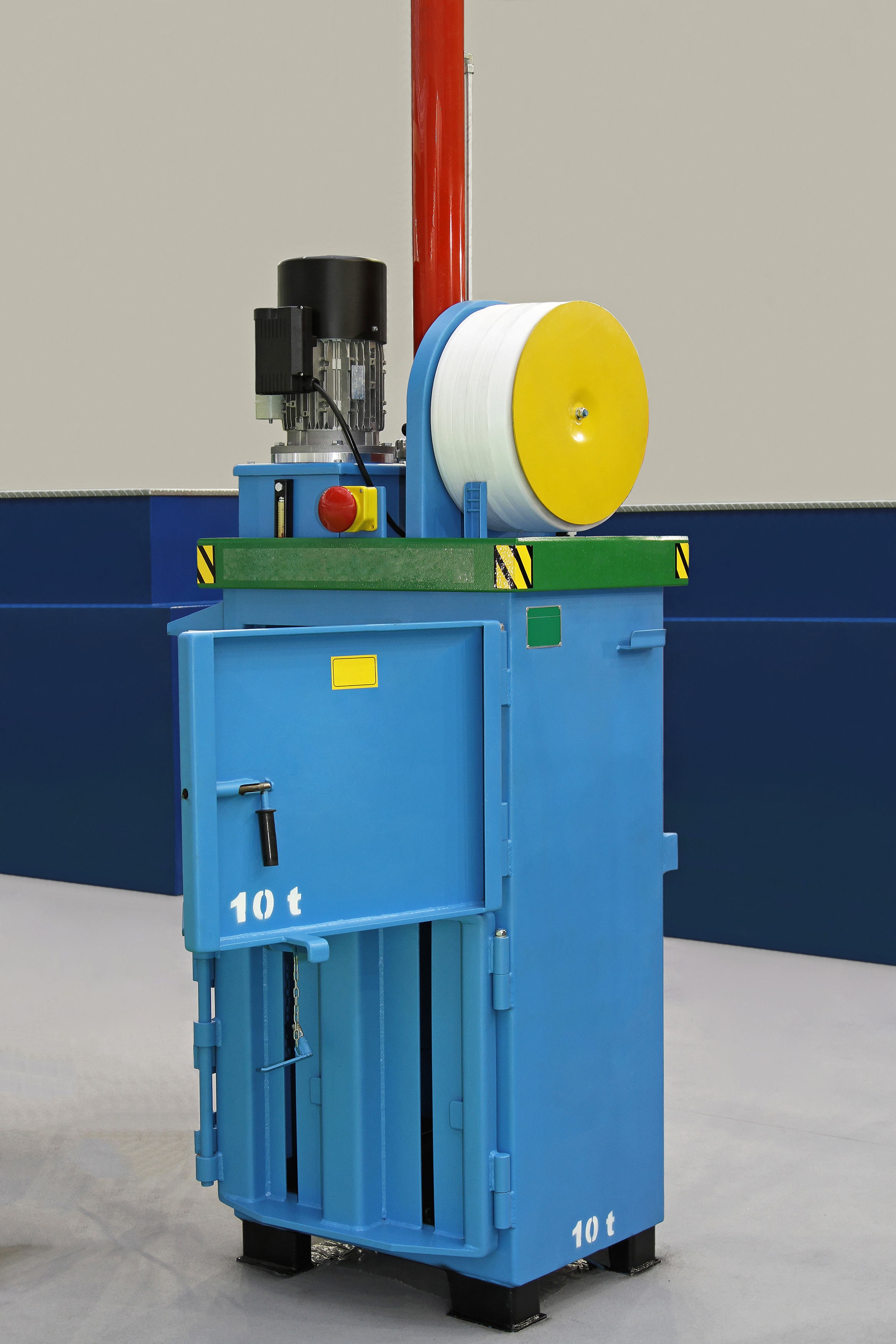
Saving money and recycling is entirely possible. Just look at companies like GM, who save $1 billion a year through responsible waste management. “But I’m not nearly as large as GM, I can’t afford to start practices like that!” you (probably) just griped. That’s true, so why not try out a KenBay compactor? Our RotoPacs reduce the need for labor because they are portable and can be used on site. Additionally, crushing your waste and recyclables into cube shapes saves you money on transport. You won’t be hauling air when everything is stacked tightly into the truck! If you are interested in a KenBay compactor, you can try one before you buy it. Switch to KenBay, and find out how much money recycling can save you!

- Blog (11)
- Commercial Trash Compactor (11)
- waste reduction (7)
- Hazardous Waste (6)
- plastic recycling (5)
- sustainability (5)
- waste cost reduction (5)
- waste efficiency (5)
- Industrial Compactors (4)
- Industrial Waste Bags (4)
- industrial trash compactor (4)
- industrial waste (4)
- waste volume reduction (4)
- Industrial Waste Removal (3)
- Industrial trash compactors (3)
- cardboard baler (3)
- cardboard recycling (3)
- commercial compactor (3)
- hazardous waste safety (3)
- industrial waste compactor (3)
- industrial waste disposal (3)
- industrial waste safety (3)
- landfill diversion (3)
- recycling cost reduction (3)
- waste handling efficiency (3)
- waste transport efficiency (3)
- Recycling Regulations (2)
- RotoPac Waste Compactors (2)
- Smart Waste Solutions (2)
- Stainless Steel Compactors (2)
- Sustentability (2)
- case study (2)
- compactor benefits (2)
- hazardous waste disposal (2)
- health and safety (2)
- landfill gas recovery (2)
- lean manufacturing (2)
- paint disposal safety (2)
- recycling equipment (2)
- trim disposal solutions (2)
- waste compactors (2)
- waste management savings (2)
- zero landfill (2)
- zero waste strategy (2)
- Balers (1)
- Environmental Compliance (1)
- Equipment Comparison (1)
- Food Industry (1)
- Guide for Industrial Waste Management (1)
- Hazardous Waste Management (1)
- Increased property value (1)
- Industrial Compactor Safety (1)
- KenBay compactor (1)
- KenBay's RotoPac compactor (1)
- Pharmaceutical Waste (1)
- RotoPac Upgrades (1)
- Safety (1)
- Trash Compactor ROI (1)
- Waste Disposal (1)
- Waste Management Innovation (1)
- Waste Management Laws (1)
- Waste Management Planning (1)
- Waste Management Solutions (1)
- Waste Regulations (1)
- air quality safety (1)
- baking waste reduction (1)
- baler benefits (1)
- baler efficiency (1)
- baler safety (1)
- baler vs compactor (1)
- biofuels (1)
- biomass energy (1)
- bulk bag disposal (1)
- bulk bag handling (1)
- business efficiency (1)
- cardboard compactor safety (1)
- chemical disposal (1)
- chemical waste compliance (1)
- cling wrap (1)
- commercial real estate property (1)
- community service (1)
- compact equipment benefits (1)
- compaction features (1)
- compaction rate (1)
- compactor (1)
- compactor bags (1)
- compactor maintenance (1)
- compactor rental (1)
- compactor vs baler (1)
- cost savings (1)
- crusher benefits (1)
- depackaging (1)
- depackaging equipment (1)
- dewatering (1)
- dewatering equipment (1)
- durable trash compactor (1)
- dust control (1)
- dust system alternatives (1)
- edge trim waste (1)
- environmental impact (1)
- environmental waste handling (1)
- equipment features (1)
- facility waste awareness (1)
- food industry waste (1)
- food manufacturing waste (1)
- food waste handling (1)
- food waste recycling (1)
- freight (1)
- garbage handling (1)
- green waste solutions (1)
- hazardous substance handling (1)
- hazardous waste tips (1)
- health and safety compliance (1)
- history of the trash compactor (1)
- how to reduce waste (1)
- industrial compactor upgrade (1)
- industrial efficiency (1)
- industrial food waste (1)
- industrial non-hazardous waste (1)
- industrial recycling logistics (1)
- industrial waste compactors (1)
- industrial waste cost (1)
- industrial waste solutions (1)
- intellectual property (1)
- label matrix trim (1)
- label presses (1)
- landfill (1)
- landfill free strategy (1)
- landfill gas (1)
- lean (1)
- manufacturing (1)
- manufacturing IP (1)
- manufacturing efficiency (1)
- manufacturing safety (1)
- manufacturing waste reduction (1)
- manufacturing workflow (1)
- material flow (1)
- multi-industry waste solutions (1)
- plastic compactor (1)
- recyclable materials (1)
- recyclable transport (1)
- recycling balers (1)
- recycling equipment safety (1)
- recycling strategy (1)
- reduce manual waste (1)
- reduce waste expenses (1)
- regulatory compliance (1)
- rental waste solutions (1)
- safe disposal practices (1)
- safe paint handling (1)
- safe waste handling (1)
- small compactor (1)
- small footprint compactor (1)
- super sacks (1)
- sustainable waste practices (1)
- trash disposal savings (1)
- trash removal costs (1)
- waste audit (1)
- waste can efficiency (1)
- waste compaction efficiency (1)
- waste cost analysis (1)
- waste crusher (1)
- waste equipment costs (1)
- waste equipment investment (1)
- waste moisture reduction (1)
- waste product value (1)
- waste saving strategies (1)
- waste-to-energy (1)
- workplace hazards (1)
- workplace safty (1)
- zero waste resources (1)
- June 2024 (1)
- May 2024 (1)
- April 2024 (1)
- March 2024 (1)
- February 2024 (1)
- January 2024 (1)
- December 2023 (1)
- November 2023 (1)
- October 2023 (1)
- September 2023 (1)
- August 2023 (1)
- June 2023 (1)
- May 2023 (1)
- March 2023 (1)
- February 2023 (1)
- January 2023 (1)
- December 2022 (1)
- November 2022 (1)
- October 2022 (1)
- September 2022 (1)
- August 2022 (1)
- July 2022 (1)
- June 2022 (1)
- May 2022 (1)
- April 2022 (2)
- March 2022 (1)
- February 2022 (1)
- January 2022 (1)
- December 2021 (1)
- November 2021 (1)
- October 2021 (1)
- September 2021 (1)
- August 2021 (1)
- July 2021 (1)
- June 2021 (1)
- March 2021 (1)
- July 2020 (1)
- June 2020 (1)
- May 2020 (1)
- June 2019 (1)
- May 2019 (1)
- April 2019 (1)
- March 2019 (2)
- February 2019 (1)
- January 2019 (1)
- December 2018 (1)
- July 2018 (1)
- May 2018 (1)
- January 2018 (1)
- October 2017 (1)
- September 2017 (1)
- June 2017 (6)
- May 2017 (4)
- April 2017 (4)
- March 2017 (4)
- February 2017 (4)
- January 2017 (4)
- December 2016 (4)
- November 2016 (4)
- October 2016 (4)
- September 2016 (3)
- August 2016 (5)
- July 2016 (3)
- June 2016 (5)
- May 2016 (4)
- April 2016 (4)
- March 2016 (6)
- February 2016 (1)
Subscribe by email
You May Also Like
These Related Stories

3 Proven Ways to Cut Costs when Recycling Plastic
Creating Sustainable Alternatives: About Waste-to-Energy