How Environmentally Conscious are You with Handling of Waste?
By CharlieB on Dec 10, 2016 5:23:38 PM
One of KenBay’s mission statements is to operate with zer
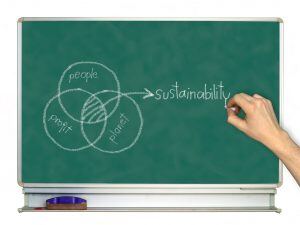
o waste and encourage others to follow suit. Zero Waste means that our company is committed to reusing and recycling our resources and will not send any waste into a landfill. We partner with other organizations who share the same philosophy — and there are many of us out there! We also work to educate others on the responsibilities of being an environmentally conscious company through efforts like this blog! So if you’ve ever wondered about how or why you need to consider the environment more in your processes, keep reading.
Zero Waste: The Positives
First, I want you to understand exactly what you have to gain by switching to environmentally conscious practices. Altering your wasteful processes reduces costs, attracts new environmentally conscious customers, and improves your organization’s sustainability. This article from the Queensland government website in Australia does a great job breaking down how these benefits come about. Also, if you think about it, you are unlikely to lose any customers specifically because of your environmentally conscious practices. So, with the opportunity to help the Earth and lots of great benefits for you, is there really a reason not to go green?
How to Get Started?
If you agree that sustainable practices are the right way to go, you may be confused about where to begin. Like other new practices, the internet is both your greatest tool and biggest frustration. In this digital age, you can find whatever information you need right in your own living room. An entire wealth of information is more easily accessible now than at any other time in human history. Fantastic! On the other hand, the internet is overly saturated with information everywhere you turn. Which is the correct way to go green? What are the most effective methods? How do you even get started? Ultimately, you need to thing of your company first and choose what is best for its needs. However, we can tell you that a great resource to turn to would be a company who is committed to an environmentally conscious philosophy. A company that has extensive experience putting that philosophy into practice.
Hey, wait a minute!
Tips from KenBay
Imagine that you are playing a board game and you begin with five points. You must keep all five points in order to be a fully environmentally conscious company. Obviously, points are subtracted for dumping waste in a landfall or a pond, but there are other more subtle ways to lose them as well. If you are trusting (without verifying) another company will sort your waste for recycling, you lose a point. If you aren’t recycling items because there is is product inside the plastic, you lose a point. If you steer away from super sacks because you don’t know how to deal with the empty sacks, you lose a point. You get the picture.
You keep points by keeping track of your product and all the items which make it up, from the minute they enter your factory to the moment they are recycled. One great way to help be environmentally conscious is to use compactors with KenBay. KenBay provides portable compactors that leave a small footprint at the site of your waste. You can compact your waste into small, easy to transport cubes to send off to the recycling center. If you want to experience the KenBay difference, you can try one of our compactors before you buy it. If you like the compactor we send you, you can just pay for it and keep it for good! You can be an environmentally conscious — and KenBay can help!
- Blog (11)
- Commercial Trash Compactor (11)
- waste reduction (7)
- Hazardous Waste (6)
- plastic recycling (5)
- sustainability (5)
- waste cost reduction (5)
- waste efficiency (5)
- Industrial Compactors (4)
- Industrial Waste Bags (4)
- industrial trash compactor (4)
- industrial waste (4)
- waste volume reduction (4)
- Industrial Waste Removal (3)
- Industrial trash compactors (3)
- cardboard baler (3)
- cardboard recycling (3)
- commercial compactor (3)
- hazardous waste safety (3)
- industrial waste compactor (3)
- industrial waste disposal (3)
- industrial waste safety (3)
- landfill diversion (3)
- recycling cost reduction (3)
- waste handling efficiency (3)
- waste transport efficiency (3)
- Recycling Regulations (2)
- RotoPac Waste Compactors (2)
- Smart Waste Solutions (2)
- Stainless Steel Compactors (2)
- Sustentability (2)
- case study (2)
- compactor benefits (2)
- hazardous waste disposal (2)
- health and safety (2)
- landfill gas recovery (2)
- lean manufacturing (2)
- paint disposal safety (2)
- recycling equipment (2)
- trim disposal solutions (2)
- waste compactors (2)
- waste management savings (2)
- zero landfill (2)
- zero waste strategy (2)
- Balers (1)
- Environmental Compliance (1)
- Equipment Comparison (1)
- Food Industry (1)
- Guide for Industrial Waste Management (1)
- Hazardous Waste Management (1)
- Increased property value (1)
- Industrial Compactor Safety (1)
- KenBay compactor (1)
- KenBay's RotoPac compactor (1)
- Pharmaceutical Waste (1)
- RotoPac Upgrades (1)
- Safety (1)
- Trash Compactor ROI (1)
- Waste Disposal (1)
- Waste Management Innovation (1)
- Waste Management Laws (1)
- Waste Management Planning (1)
- Waste Management Solutions (1)
- Waste Regulations (1)
- air quality safety (1)
- baking waste reduction (1)
- baler benefits (1)
- baler efficiency (1)
- baler safety (1)
- baler vs compactor (1)
- biofuels (1)
- biomass energy (1)
- bulk bag disposal (1)
- bulk bag handling (1)
- business efficiency (1)
- cardboard compactor safety (1)
- chemical disposal (1)
- chemical waste compliance (1)
- cling wrap (1)
- commercial real estate property (1)
- community service (1)
- compact equipment benefits (1)
- compaction features (1)
- compaction rate (1)
- compactor (1)
- compactor bags (1)
- compactor maintenance (1)
- compactor rental (1)
- compactor vs baler (1)
- cost savings (1)
- crusher benefits (1)
- depackaging (1)
- depackaging equipment (1)
- dewatering (1)
- dewatering equipment (1)
- durable trash compactor (1)
- dust control (1)
- dust system alternatives (1)
- edge trim waste (1)
- environmental impact (1)
- environmental waste handling (1)
- equipment features (1)
- facility waste awareness (1)
- food industry waste (1)
- food manufacturing waste (1)
- food waste handling (1)
- food waste recycling (1)
- freight (1)
- garbage handling (1)
- green waste solutions (1)
- hazardous substance handling (1)
- hazardous waste tips (1)
- health and safety compliance (1)
- history of the trash compactor (1)
- how to reduce waste (1)
- industrial compactor upgrade (1)
- industrial efficiency (1)
- industrial food waste (1)
- industrial non-hazardous waste (1)
- industrial recycling logistics (1)
- industrial waste compactors (1)
- industrial waste cost (1)
- industrial waste solutions (1)
- intellectual property (1)
- label matrix trim (1)
- label presses (1)
- landfill (1)
- landfill free strategy (1)
- landfill gas (1)
- lean (1)
- manufacturing (1)
- manufacturing IP (1)
- manufacturing efficiency (1)
- manufacturing safety (1)
- manufacturing waste reduction (1)
- manufacturing workflow (1)
- material flow (1)
- multi-industry waste solutions (1)
- plastic compactor (1)
- recyclable materials (1)
- recyclable transport (1)
- recycling balers (1)
- recycling equipment safety (1)
- recycling strategy (1)
- reduce manual waste (1)
- reduce waste expenses (1)
- regulatory compliance (1)
- rental waste solutions (1)
- safe disposal practices (1)
- safe paint handling (1)
- safe waste handling (1)
- small compactor (1)
- small footprint compactor (1)
- super sacks (1)
- sustainable waste practices (1)
- trash disposal savings (1)
- trash removal costs (1)
- waste audit (1)
- waste can efficiency (1)
- waste compaction efficiency (1)
- waste cost analysis (1)
- waste crusher (1)
- waste equipment costs (1)
- waste equipment investment (1)
- waste moisture reduction (1)
- waste product value (1)
- waste saving strategies (1)
- waste-to-energy (1)
- workplace hazards (1)
- workplace safty (1)
- zero waste resources (1)
- June 2024 (1)
- May 2024 (1)
- April 2024 (1)
- March 2024 (1)
- February 2024 (1)
- January 2024 (1)
- December 2023 (1)
- November 2023 (1)
- October 2023 (1)
- September 2023 (1)
- August 2023 (1)
- June 2023 (1)
- May 2023 (1)
- March 2023 (1)
- February 2023 (1)
- January 2023 (1)
- December 2022 (1)
- November 2022 (1)
- October 2022 (1)
- September 2022 (1)
- August 2022 (1)
- July 2022 (1)
- June 2022 (1)
- May 2022 (1)
- April 2022 (2)
- March 2022 (1)
- February 2022 (1)
- January 2022 (1)
- December 2021 (1)
- November 2021 (1)
- October 2021 (1)
- September 2021 (1)
- August 2021 (1)
- July 2021 (1)
- June 2021 (1)
- March 2021 (1)
- July 2020 (1)
- June 2020 (1)
- May 2020 (1)
- June 2019 (1)
- May 2019 (1)
- April 2019 (1)
- March 2019 (2)
- February 2019 (1)
- January 2019 (1)
- December 2018 (1)
- July 2018 (1)
- May 2018 (1)
- January 2018 (1)
- October 2017 (1)
- September 2017 (1)
- June 2017 (6)
- May 2017 (4)
- April 2017 (4)
- March 2017 (4)
- February 2017 (4)
- January 2017 (4)
- December 2016 (4)
- November 2016 (4)
- October 2016 (4)
- September 2016 (3)
- August 2016 (5)
- July 2016 (3)
- June 2016 (5)
- May 2016 (4)
- April 2016 (4)
- March 2016 (6)
- February 2016 (1)
Subscribe by email
You May Also Like
These Related Stories

How to Know You’re in Compliance When Handling Chemical Disposal

Guidelines and Regulations for Managing Hazardous Waste